From Cadet to Research Presenter: My Journey of Representing JBLFMU at the IAMUS Conference

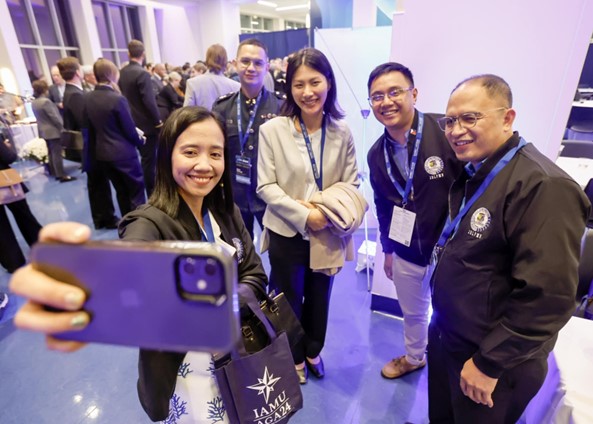
I am Kirby Z. Ofianga, a classroom instruction completer pursuing a Bachelor of Science in Marine Transportation at John B. Lacson Colleges Foundation – Bacolod. In this narrative, I will share my experience as a student who, despite lacking a background in presenting research papers, embraced the challenge of becoming a presenter at the IAMUS conference during the Annual General Assembly 2024 – International Association of Maritime Universities, held from October 9-12, 2024, at Massachusetts Maritime Academy.
The Challenge Begins

A few months ago, prior to AGA24, my teacher asked me to submit the full paper of our research for enhancement and to create a new abstract for submission to IAMU’s team, which rigorously reviews research papers from various maritime universities worldwide. Initially hesitant about presenting if accepted, I suggested that some juniors could take on the role instead. However, my advisers encouraged me to embrace the challenge and believed in my abilities, which boosted my self-esteem and allowed me to stand proudly as I represented the institution that has shaped me over the years.

Acceptance and Preparation

A few weeks after submission, I received an email informing me that our research abstract had been accepted and that we were requested to submit the full paper. With the efforts of my research advisers—Mrs. Joanna S. Gudio, Mr. Jun C. Montaño—and the overall direction and supervision of our school’s Research Coordinator, Dr. Emeliza T. Estimo, our revised full paper was submitted on time. After a few months, I was surprised and delighted to learn that our paper was accepted for oral presentation at the IAMUS conference and that we were requested to prepare a PowerPoint presentation of our findings. Upon reading the email, I told myself that this was only the beginning of the challenge I had taken.

Second Officer Nestor Herpacio Jr., our OBTO supervisor whose paper was also accepted for oral presentation at the IAMUC, partnered with me in preparing all necessary requirements to attend the conference. Although we encountered some minor issues with our visa application, we ultimately managed to resolve them by God’s grace.

Rehearsals and Refinement

By August, I was already in Manila for my company’s month-long pre-embarkation training while also preparing for my presentation. Every night, I sought advice from fellow cadets who had experience in creating research presentation scripts and knew what to expect during such events. During the fourth week of my pre-embarkation training, I submitted a formal letter to my company requesting permission to hold a general rehearsal back in Bacolod in preparation for the conference; I was pleased to receive approval.

I took a flight back to Bacolod for rehearsals with my research advisers and mentors. After presenting to them, I realized I needed to put in extra effort because I felt that my presentation was not good enough at that time. After that, I returned to Manila to continue my pre-embarkation training while applying the revisions and tips I received during rehearsals to enhance my presentation.

Once my pre-embarkation training was complete, I quickly returned to Bacolod for final rehearsals with my team of mentors before presenting my paper to our institution’s CEO and some focal people who served as my second level of critics. After all the preparation, the day arrived for 2/O Herpacio and me to present our papers in front of the CEO in Iloilo City. Following the presentation, I received many questions that I wasn’t fully prepared for; however, some attendees with experience in international presentations reassured me that not all of those questions are typical at this level. I truly appreciated the tips and advice from the CEO and his team, as they helped me focus on the overall presentation rather than the minor details of my paper. One piece of advice from the CEO that I will always remember was to build connections with other maritime universities around the world for potential research collaborations during the event.


Journey to Boston

The most anticipated part is flying with the JBLFMU IAMU team to Boston. It was a tiring yet incredible experience for me as a first-time long-haul traveler. We took connecting flights from Ninoy Aquino International Airport in Manila through Incheon International Airport in South Korea before arriving at Boston Logan International Airport—a journey that took nearly a day and a half.

Upon arriving at Boston Logan International Airport on October 7, 2024, I was greeted by cold winds and new scenery. A sense of accomplishment washed over me as I realized that all my hard work had led me here—to represent our institution at the IAMUS conference as a proud Filipino delegate. We immediately boarded a bus bound for Buzzards Bay, Massachusetts. Upon arrival, we were picked up by a shuttle organized by Massachusetts Maritime Academy to take us to their campus.


Cultural Connections

When night fell, I asked some MMA freshmen responsible for registration where I could find dinner. They kindly accompanied me to their large mess hall, which was filled with diverse cuisines and desserts. After dinner, we returned to my accommodation building while engaging in interesting conversations about cultural differences between Americans and Filipinos in maritime industry contexts. One freshman shared her aspiration: “I want to become a crew member and operate the ship itself.” Despite our different cultural backgrounds, we aspiring maritime professionals shared common goals.

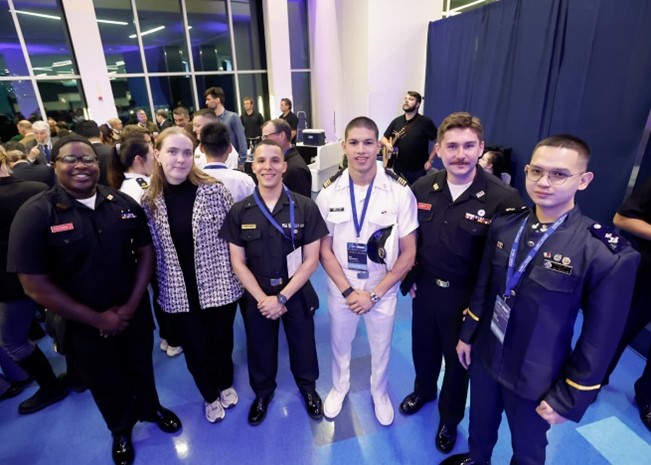
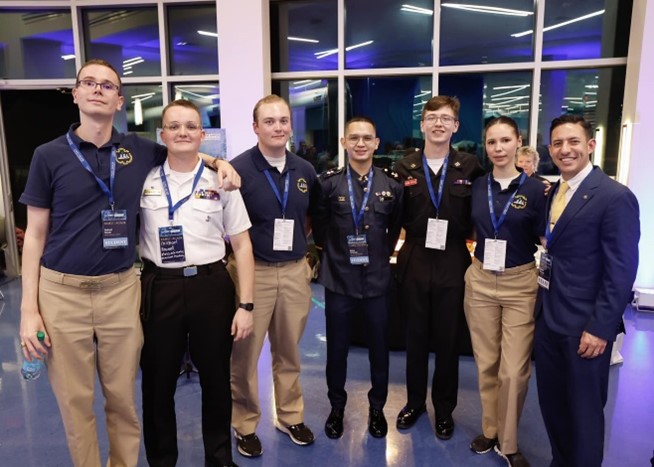
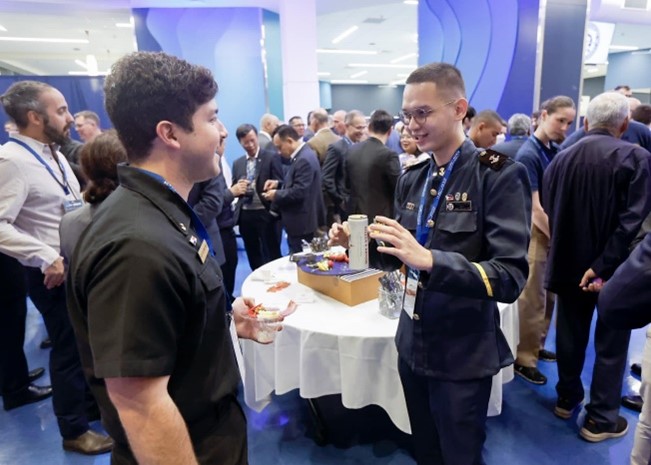
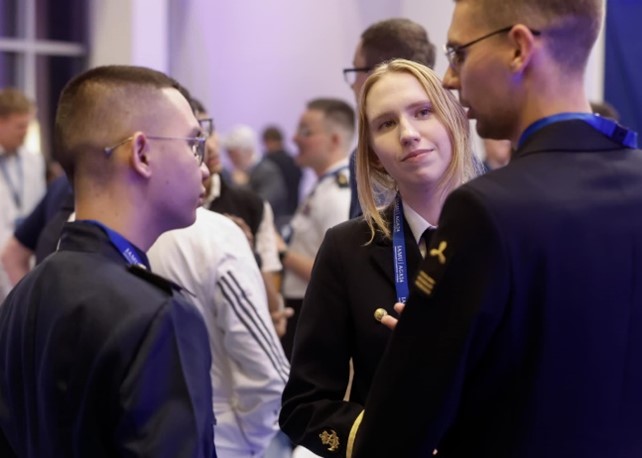
On October 8, 2024—the official first day of AGA24—delegates from various maritime universities registered and checked into their rooms. They organized a welcome reception for us to mingle and connect with fellow delegates. I introduced myself and made friends while sharing laughter and exchanging social media accounts.

During conversations about our degrees, I was surprised by how many students were pursuing master’s degrees in specializations unfamiliar to me—expanding my understanding of opportunities within maritime education beyond just Maritime Transportation and Engineering.


Presentations and Insights

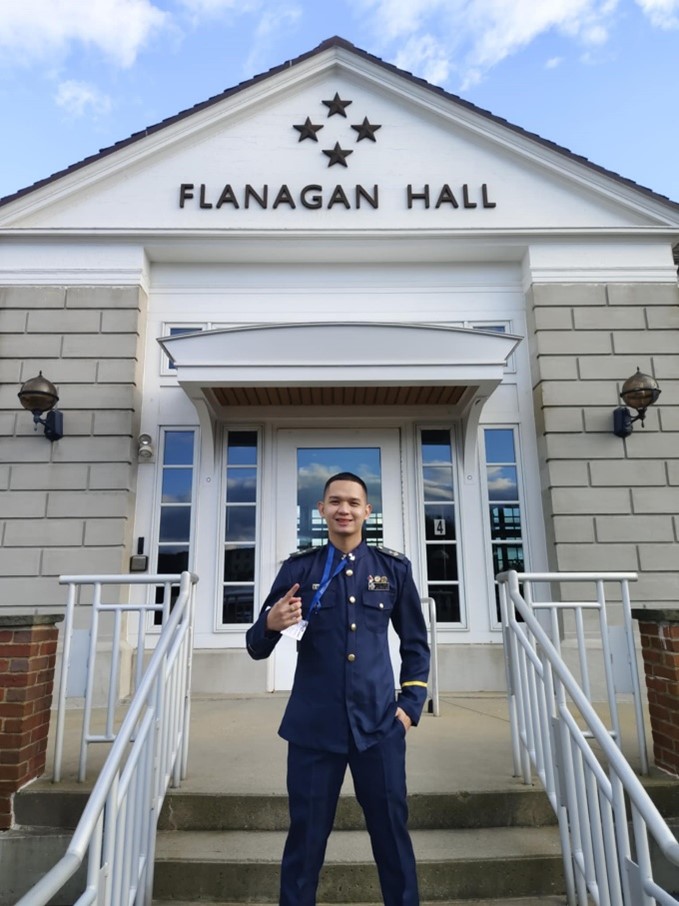
Day 2 featured an opening ceremony led by Rear Admiral McDonald, President of Massachusetts Maritime Academy. Afterward, we moved on to student presentations in Flanagan Hall.

As I observed fellow presenters’ slideshows, many displayed basic layouts that lacked creativity; some presenters merely read from their scripts, which may have hindered their ability to engage effectively with their audience. The tower of apprehension that I initially felt while preparing myself for the conference slowly faded.

After lunch came an exciting tour of SSV Ernestina-Morrisey—an exhilarating experience that made me appreciate challenges faced by sailors navigating without modern engines. The day concluded with a Cape Cod harvest dinner accompanied by live acoustic music—a perfect end to an enriching day.


Presentation Day

Day 3 was particularly significant as it was my presentation day—and, coincidentally—my birthday back in the Philippines. Upon waking up, I prayed for guidance as I prepared to share months of hard work with an international audience.

Before lunchtime, we participated in a workshop on cultural differences and leadership traits—an enlightening experience given that such discussions are less common in the Philippines.

At 2:30 PM, I had my moment: it was time to present. By God’s grace, I delivered my presentation confidently and addressed all audience questions effectively. Positive feedback from attendees underscored seafarers’ health—a theme often overlooked in maritime discussions.
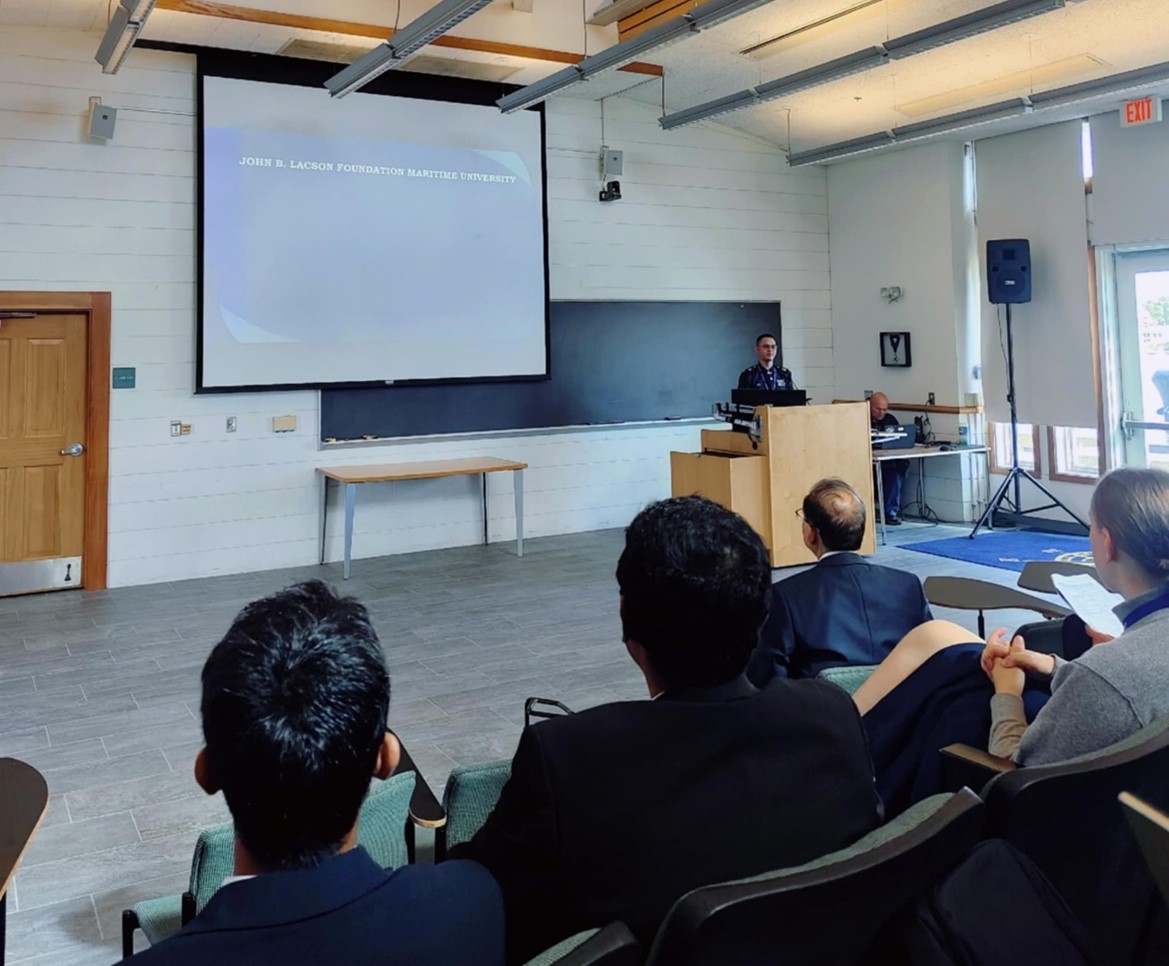
 

The day continued with presentations from 2/O Herpacio and Mr. Bayotas—a fellow Filipino delegate representing World Maritime University—and concluded with a closing ceremony followed by a tech trip around Boston. During this trip, we boarded a vessel exploring Boston’s historical aspects; friends gifted me their uniform headgear as a birthday token while I reciprocated with a miniature jeepney—symbolizing cultural exchange.


An Expression of Gratefulness

As this incredible experience came to an end, I reflected on how much I’ve learned about different cultures within maritime education globally. The friendships formed during this journey were invaluable. Together, we explored various maritime disciplines beyond traditional roles.



Bridging Research and Action: Collaborative Strategies for Research Utilization and Implementation at JBLCF-Bacolod

“Together, we can achieve what we cannot do alone; our collective strength is our magic, the tested formula for our strings of success.”

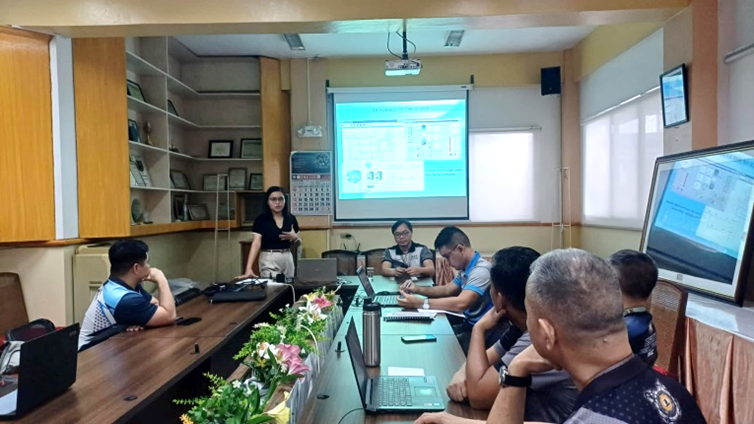
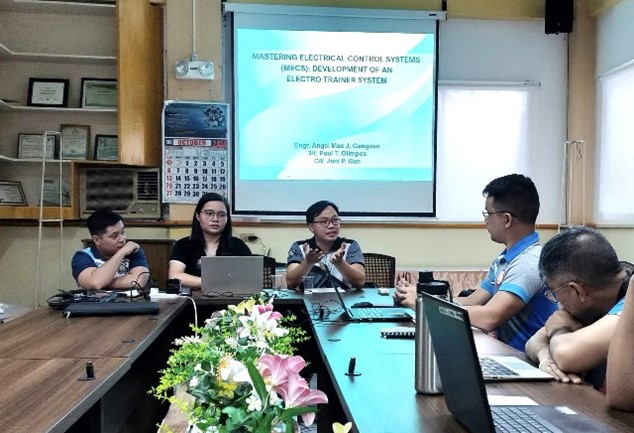
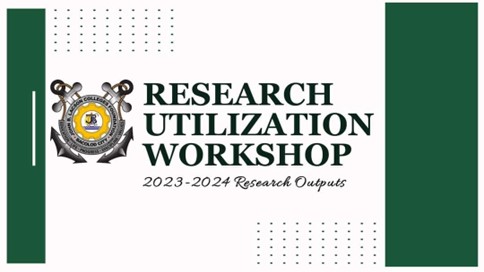
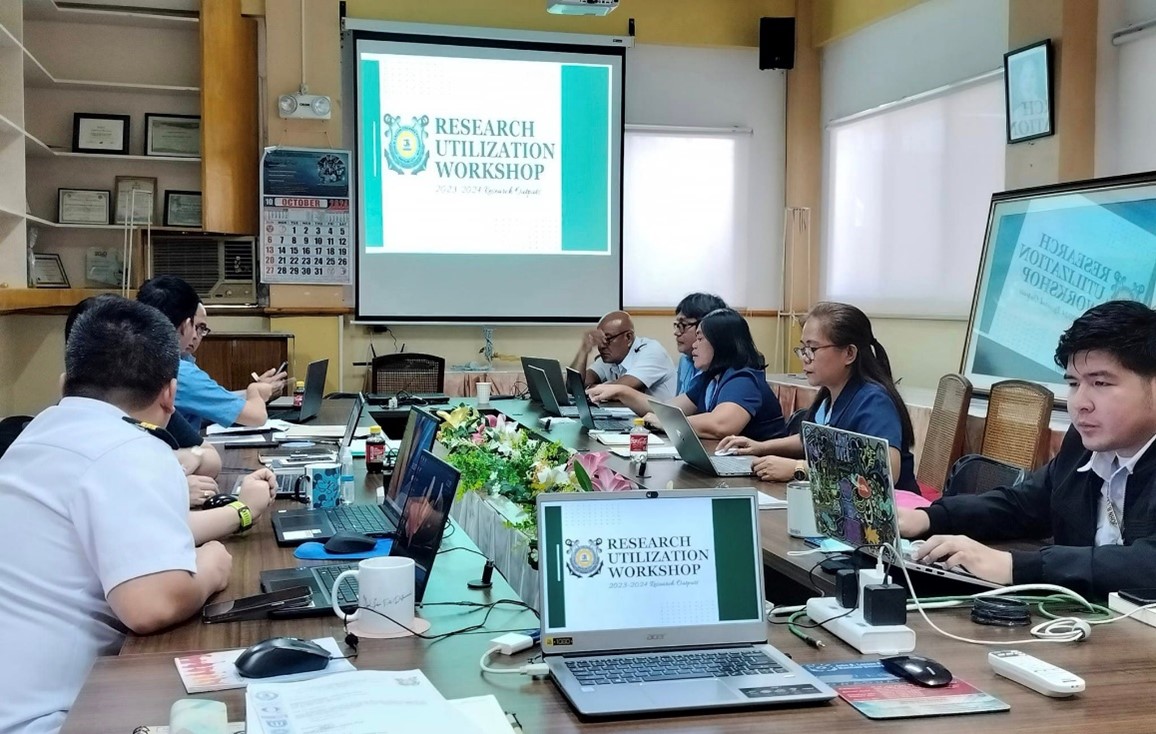
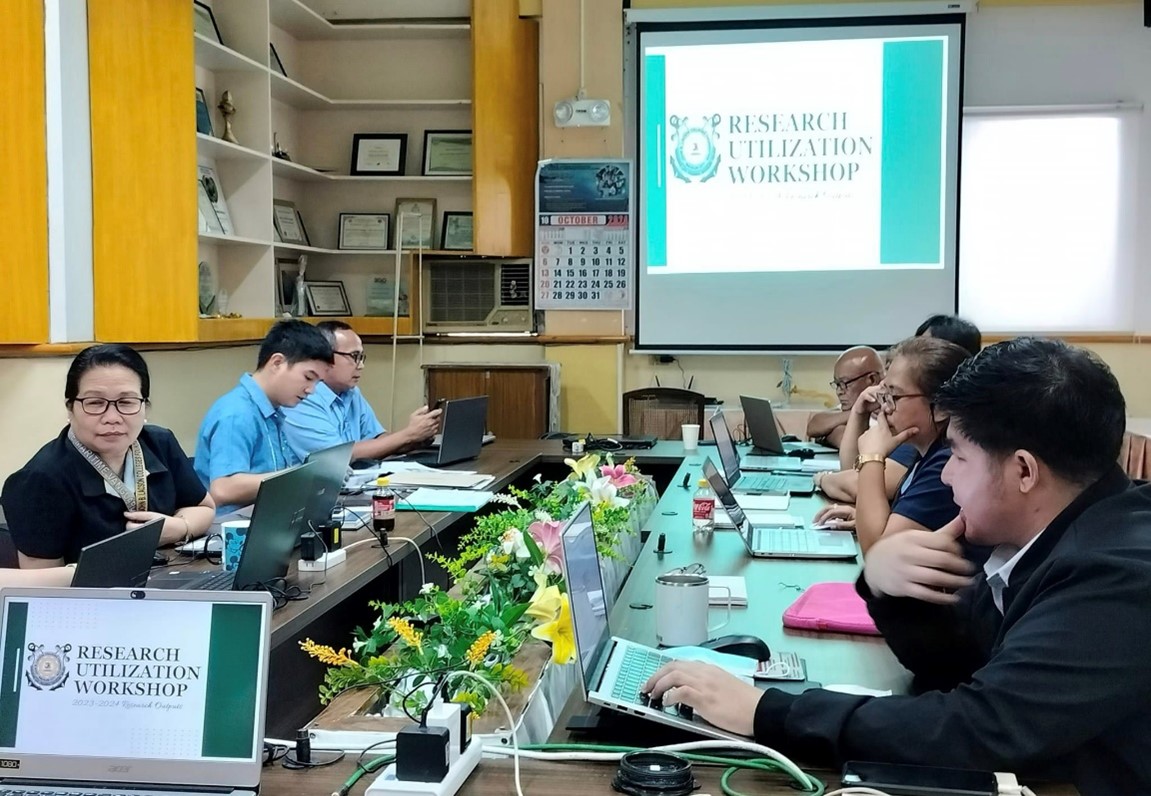
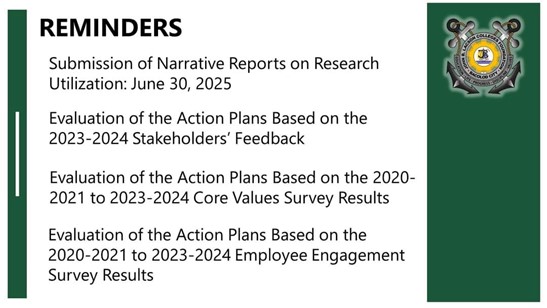
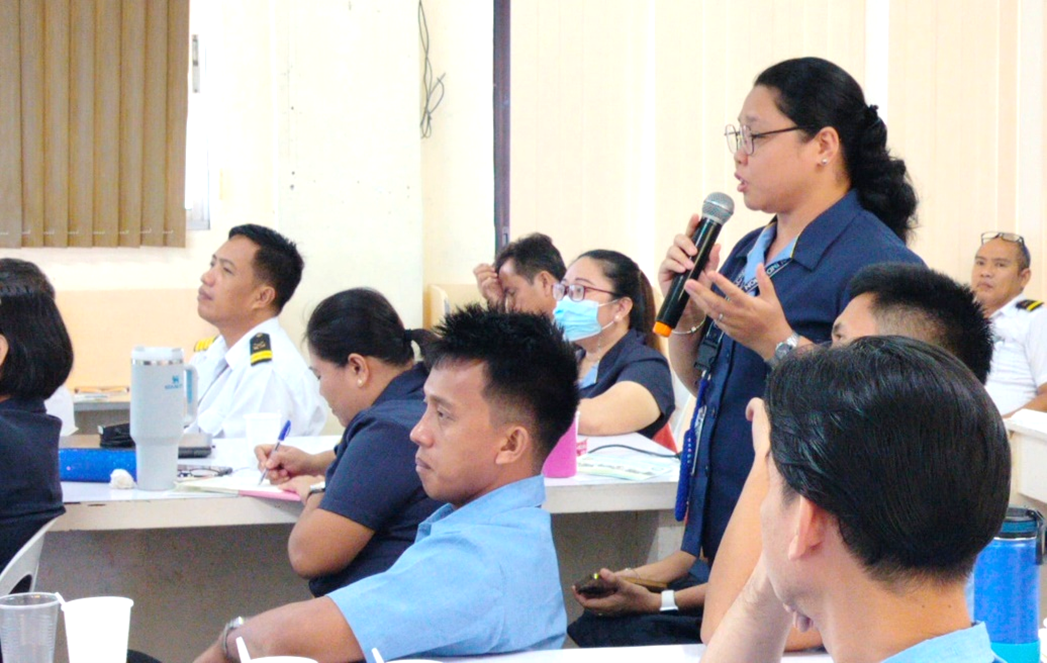
October 8, 2024. A Research Utilization Workshop was held in the MLA Conference Room, bringing together department heads of JBLCF-Bacolod for a full-day session. Facilitated by Dr. Emeliza Estimo, the Unit Research Coordinator, the workshop aimed to discuss key findings from studies completed during the 2023-2024 academic year. Participants engaged in discussions surrounding salient results and recommendations from these studies to create actionable plans to address the identified recommendations.

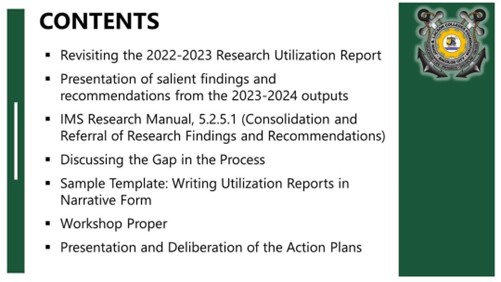
Additionally, the agenda included revisiting the 2022-2023 Research Utilization Report and the IMS Research Manual, specifically section 5.2.5.1, which pertains to the process flow on consolidation and referral of research findings.

The workshop also addressed gaps in the research process and included a practical component where participants worked in groups to develop and deliberate on action plans. A sample template for writing utilization reports in narrative form was presented, further enhancing participants’ understanding of effective reporting practices. The collaborative atmosphere fostered a productive dialogue among department heads, ensuring that research findings would be effectively utilized to improve future initiatives within the institution.

The Research Utilization Workshop exemplified JBLCF-Bacolod’s dedication to transforming research into actionable strategies that enhance educational excellence. By bringing together department heads to analyze key findings and develop practical plans, the workshop fostered a collaborative spirit that addressed existing gaps and encouraged innovative solutions for future initiatives. This commitment to continuous improvement not only prepares faculty to tackle contemporary challenges but also empowers them to inspire the next generation of maritime leaders. As participants left with renewed purpose and actionable insights, JBLCF-Bacolod is poised to navigate a promising future where research utilization becomes integral to its mission, ultimately benefiting students, faculty, and the broader maritime industry.

Empowering Research Excellence: JBLCF-Bacolod Hosts Successful Research Capability Training Workshop

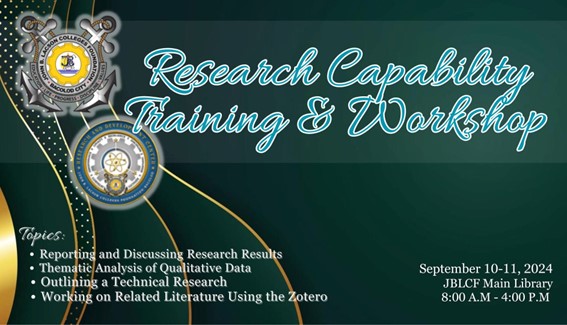
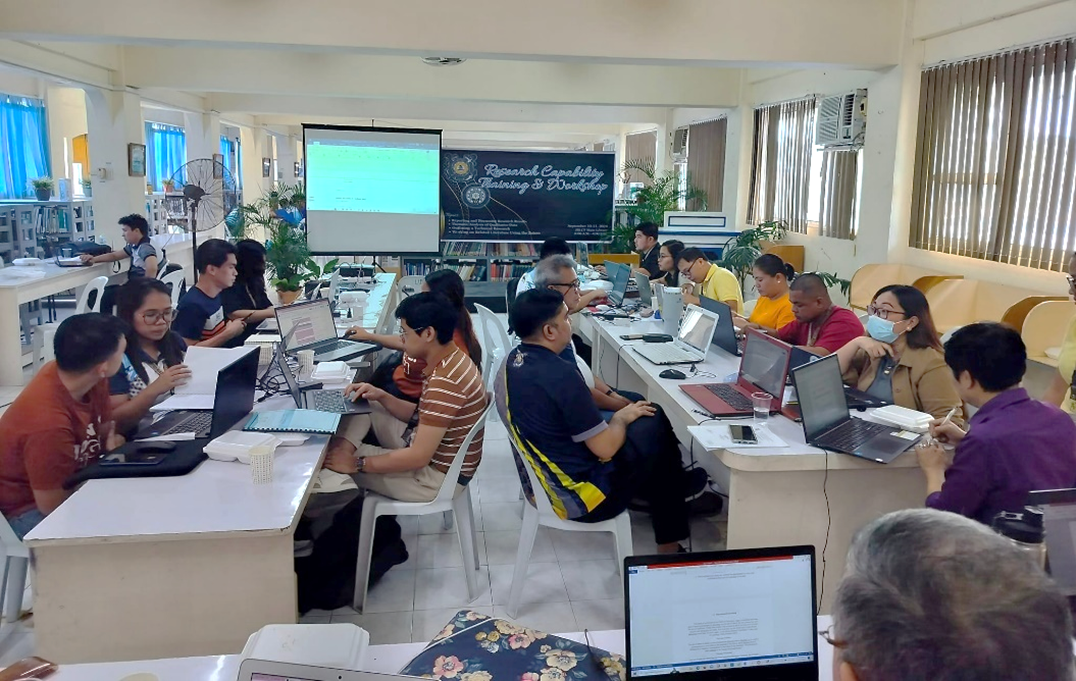
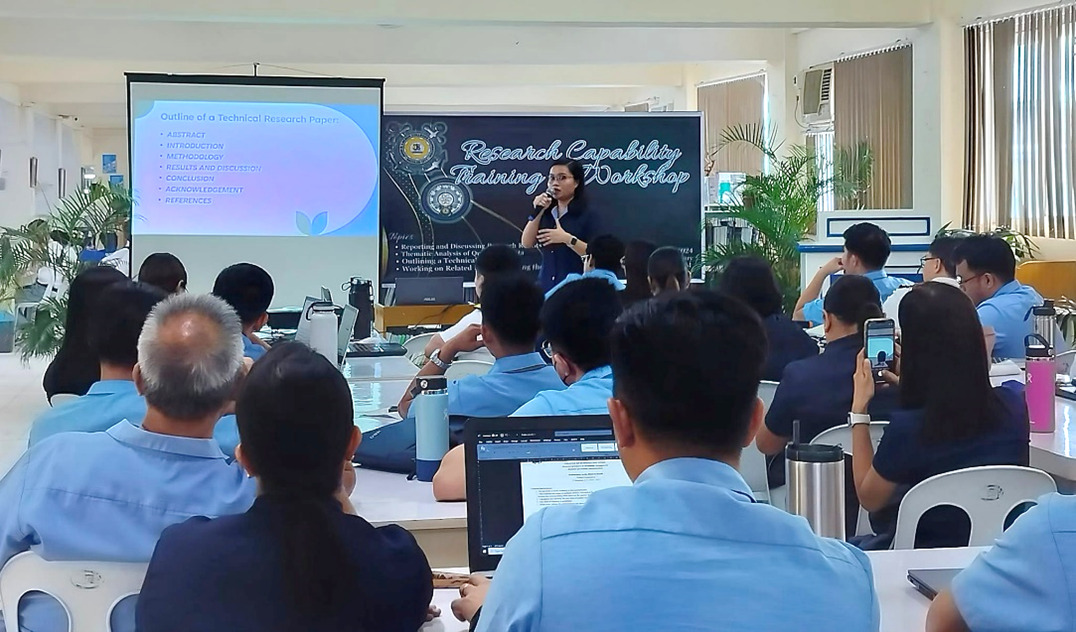
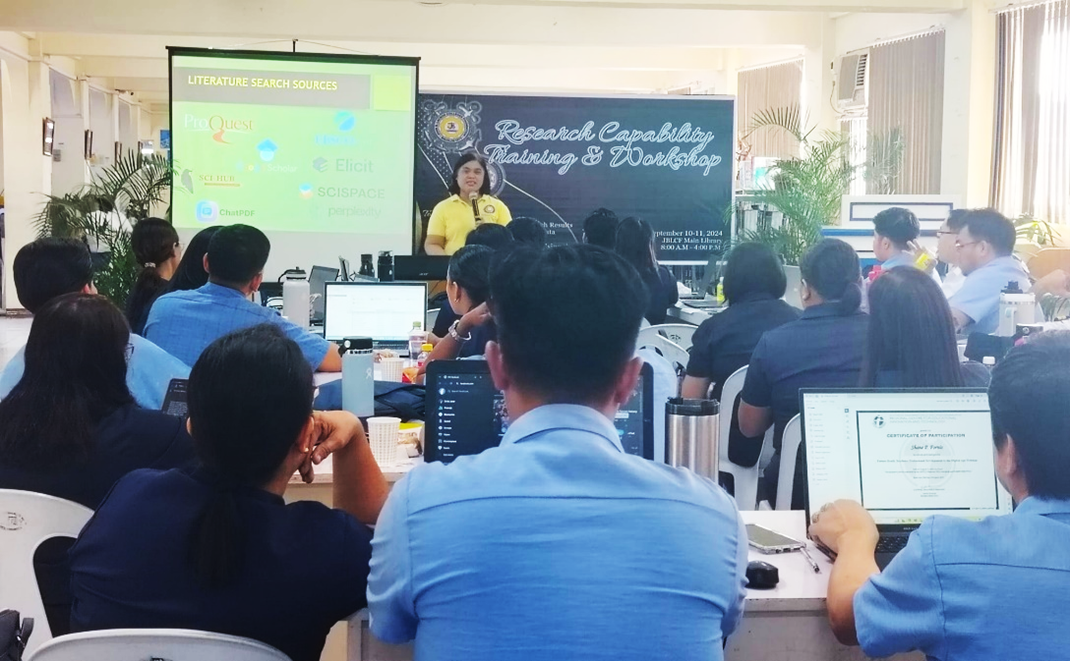
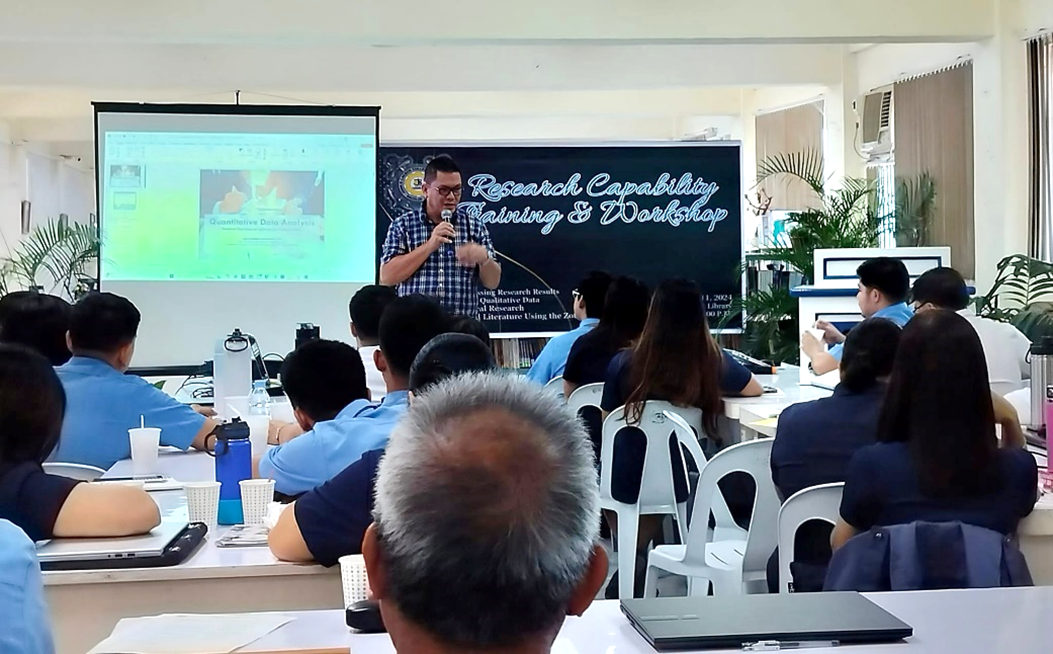
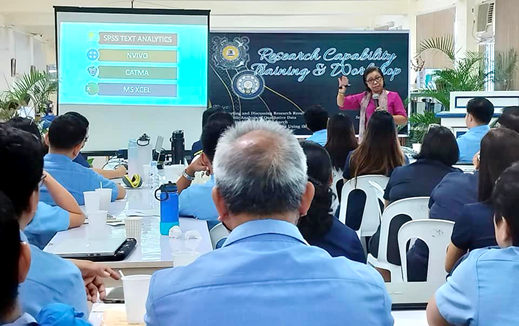
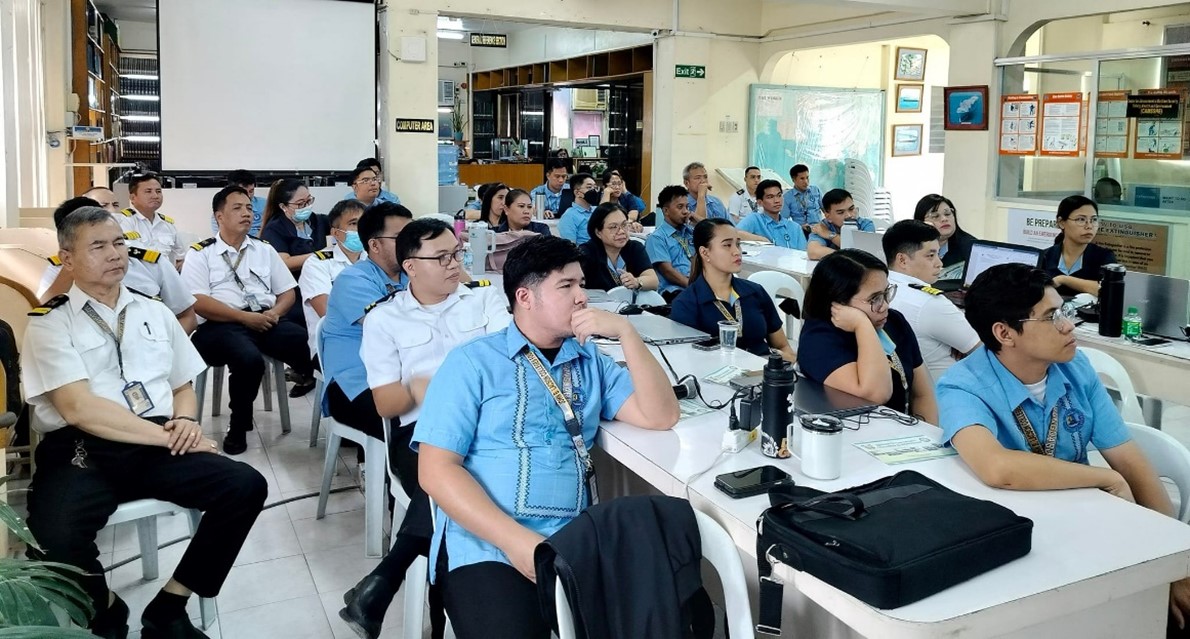
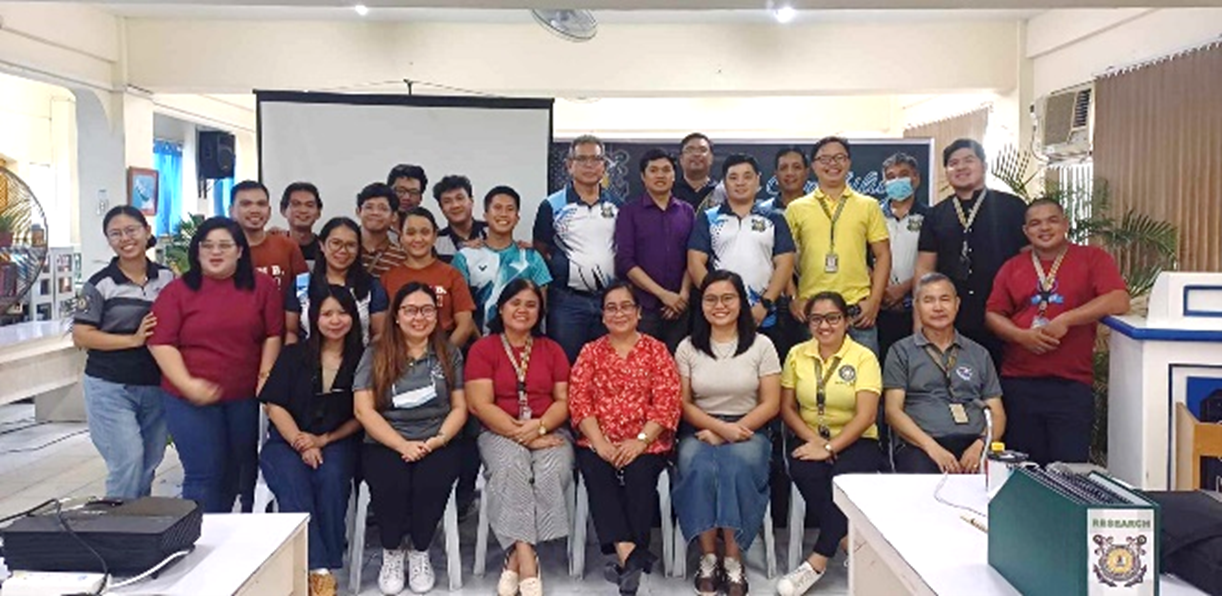
September 10-11, 2024. The JBLCF-Bacolod Main Library buzzed with intellectual energy during the Research Capability Training & Workshop designed to enhance the research skills of faculty and staff. The event featured a lineup of engaging sessions, including Dr. Dennis V. Madrigal’s insights on effectively reporting research results and Dr. Carmen C. Menes’ exploration of thematic analysis in qualitative data. Engr. Angel Mae J. Gangoso contributed significantly by guiding participants through the intricacies of outlining technical research. Attendees also benefited from hands-on workshops led by Dr. Elisa V. Garcia, focusing on literature management using Zotero, which proved invaluable for their research endeavors.

The second day emphasized collaboration, resulting in the development of initial outputs for twelve research proposals that were presented and critiqued by experts in the field. This workshop not only equipped participants with essential skills but also fostered a vibrant culture of inquiry and innovation within the institution, underscoring JBLCF-Bacolod’s commitment to academic excellence. The overall activity achieved its objectives through the directions set by JBLCF-Bacolod’s Research Coordinator, Dr. Emeliza T. Estimo, with the able assistance of Ms. Geneveve M. Aguilar and Mr. Rogie E. Padernal, the in-house experts in statistics. Dr. Sylvino V. Tupas, Administrator, provided inspiration through his opening remarks, highlighting one of the university’s primary thrusts: INNOVATIONS.


Joining Forces for Sustainable Development: JBLCF-Bacolod Engineers Join Symposium-Workshop on SDGs

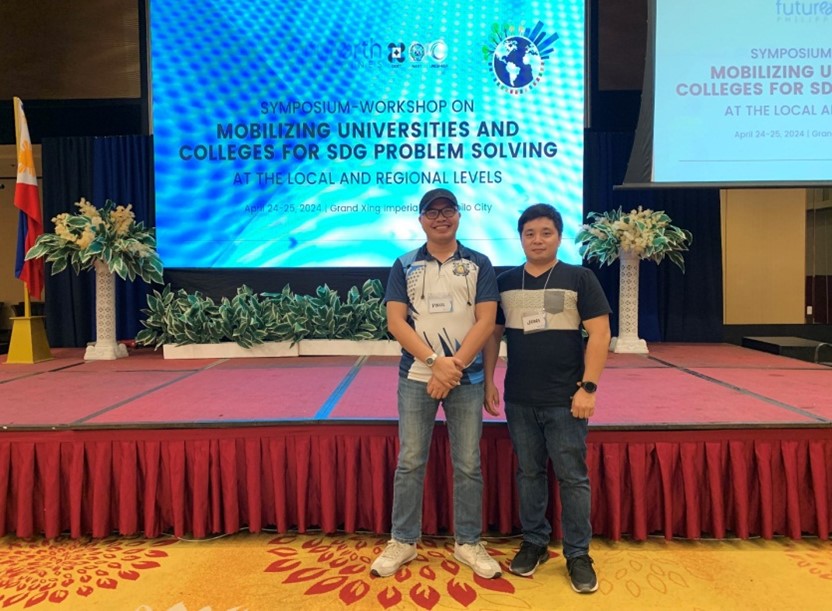
John B. Lacson Colleges Foundation – Bacolod, represented by C/E JONI GAN, BSMarE Program Head, and 3/E PAUL OLIMPOS, Faculty, College of Maritime Education, was delighted to participate in the Symposium-Workshop on Mobilizing Universities and Colleges for Sustainable Development Goals (SDG) Problem Solving, held in Iloilo City on April 24-25, 2024. Hosted by the National Academy of Science and Technology (NAST) in collaboration with DOST Regional Offices VI, VII, and VIII, this event marked a pivotal moment for academia in the Philippines.

Driving Change Locally and Regionally

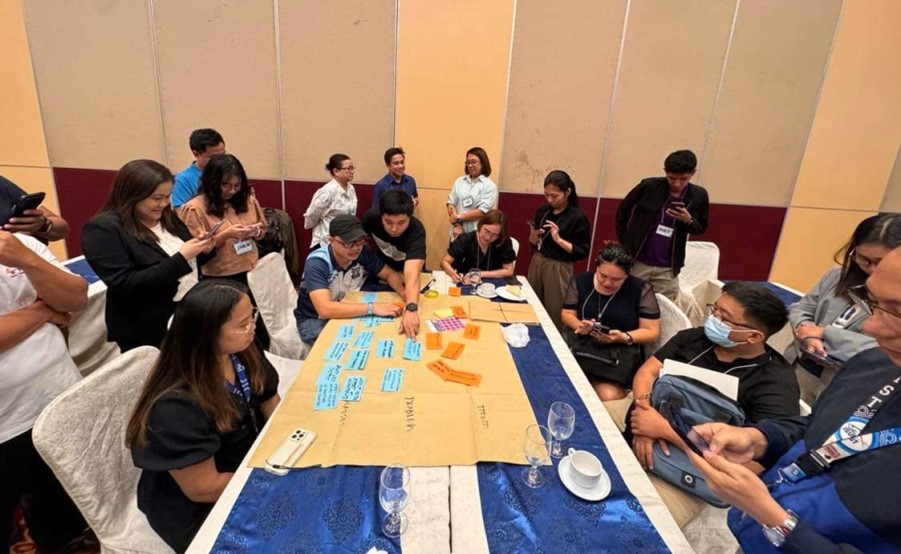
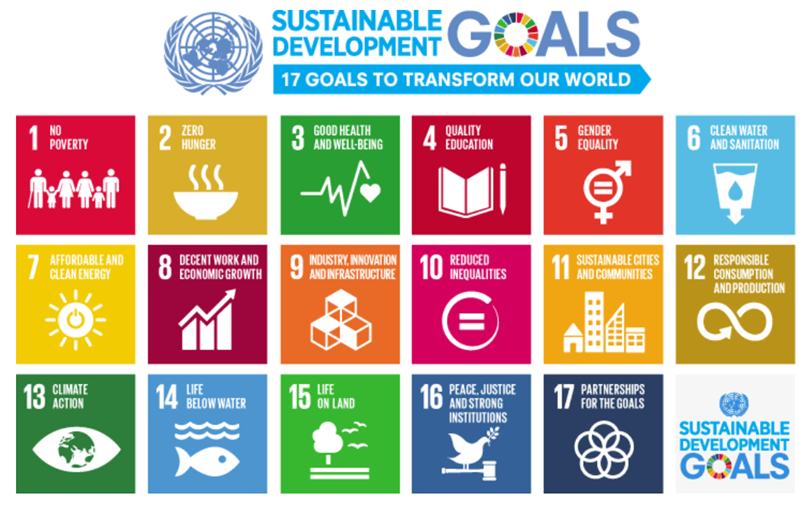
The primary objective of this gathering, organized under the auspices of the Future Earth Philippines (FEP) program, was to convene State Universities and Colleges (SUCs) and Higher Education Institutions (HEIs) from Regions VI, VII, and VIII. Together, participants engaged in constructive dialogues aimed at analyzing local and regional challenges. The overarching goal was to devise strategic pathways to address key issues crucial for achieving the Sustainable Development Goals (SDGs).

Embracing Mission Science for Sustainability

Acknowledging society’s complex problems, the scientific community emphasized the imperative of transcending traditional boundaries. Moving away from working in silos, a transdisciplinary and inclusive approach involving communities and Local Government Units (LGUs) was advocated. This paradigm shift, termed “Mission Science for Sustainability,” underscores the necessity of collaborative efforts in tackling real-world challenges.

Establishing Universities SDG Action Networks

Moreover, the NAST-FEP initiative seeks to galvanize academic institutions into action by establishing Universities SDG Action Networks (USAN) within the three regions represented. Through these collaborative networks, SUCs and HEIs are poised to align their core functions—including teaching, research and development, and extension work—with the SDGs. By doing so, they aim to amplify their societal impact and contribute meaningfully to the global sustainability agenda.

JBLCF-Bacolod Marine Engineering Students bag the First and Second places in the JBLFMU-RDC Digital Logo-Making Contest

The John B. Lacson Foundation Maritime University-Research and Development Center recently concluded its highly anticipated Digital Logo-Making Contest aimed at creating an official emblem that embodies the center’s commitment to innovation and research excellence. The contest was participated by six final entries from across the university and was held during the System Research Colloquium and Sharing of Best Practices held on February 7, 2024.The panel of esteemed judges comprised DR. MELCHOR MAGRAMO, Research Director, DR. MA. ELENA ELEPERIA, Academic Director, and MR. ARCHIE AMPARO, IT Director of the University.

JOSEPH DARL MASILAM, a third-year Bachelor of Science in Marine Engineering student of JBLCF-Bacolod from section Polaris, clinched the prestigious First Place with his exceptional design.


KENNETH R. CARIO, a fourth-year Bachelor of Science in Marine Engineering student from section Ares, also from JBLCF-Bacolod, secured Second Place with his creative and innovative entry.

The winning entries were selected based on specific criteria outlined by the judging panel, including reflecting key concepts such as Research and Development, Innovation, incorporation of JBLFMU’s logo and logos of all units, and adherence to the university’s core values.

Joseph Darl Masilam’s design stood out for its creativity, relevance, and visual impact, earning him the top prize of 3,000 pesos along with a Certificate of Recognition. Kenneth R. Cariom received 2,000 pesos and a Certificate of Recognition for his outstanding contribution.

In addition to the top prizes, the third-place winner, JBLFMU-Arevalo’s entry, received 1,000 pesos along with a Certificate of Recognition, while consolation prizes of 500 pesos and a Certificate of Participation each were awarded to non-winning participants.


(The winners, Left to Right: JBLFMU-Arevalo, Third Place; JBLCF-Bacolod, First Place; and JBLCF-Bacolod, Second Place)


The winning logo design, crafted by JOSEPH DARL MASILAM, will now become the official trademark of the Research and Development Center of JBLFMU. By winning First Place, Masilam has granted the JBLFMU-RDC the right to utilize the logo in various promotional materials, including Information, Education, and Communication (IEC) campaigns, official university merchandise, program covers, and certificates issued by the JBLFMU-RDC, thus solidifying his contribution to the university’s branding efforts.

The success of the Digital Logo-Making Contest underscores JBLFMU’s dedication to fostering creativity, innovation, and research excellence among its students, further solidifying its position as a leading institution in maritime education and research.