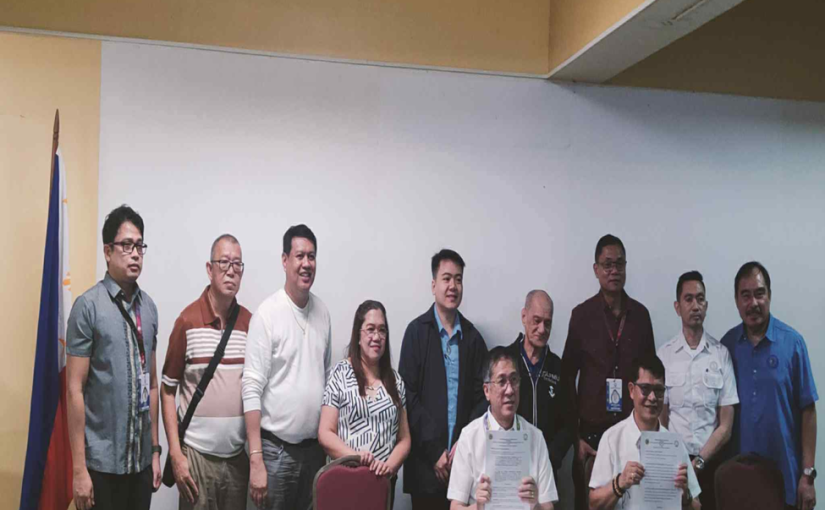
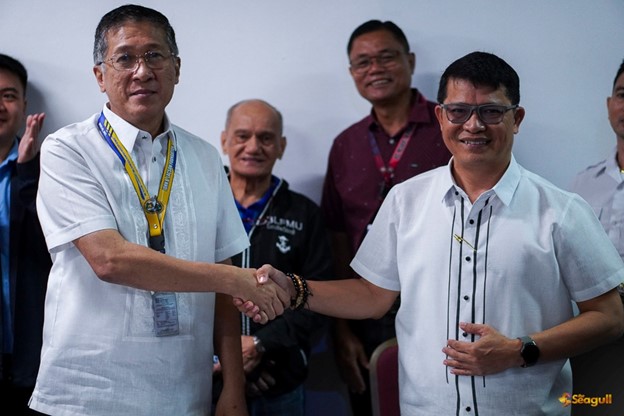
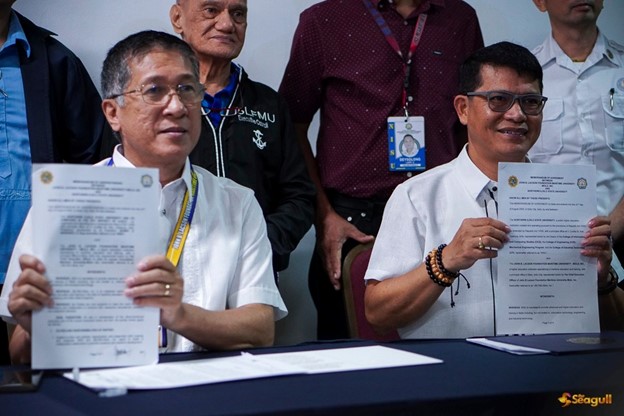
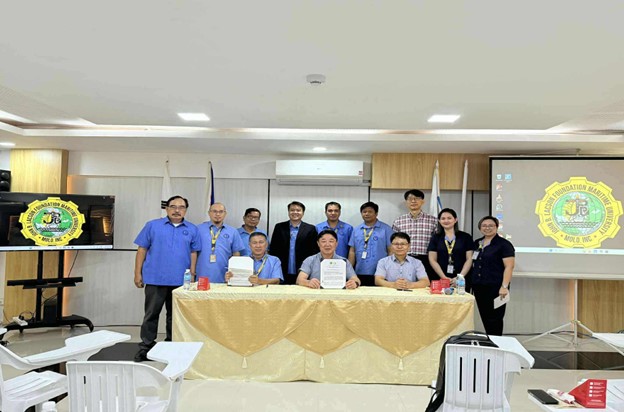
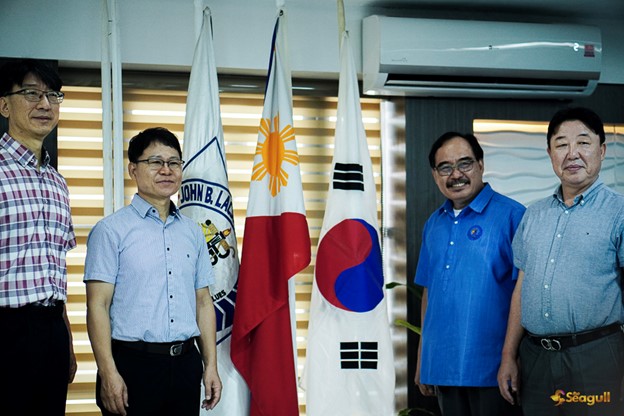
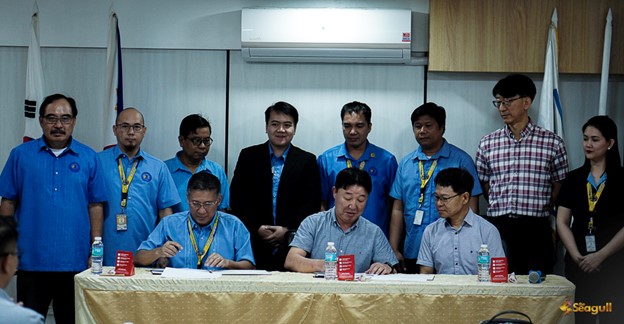
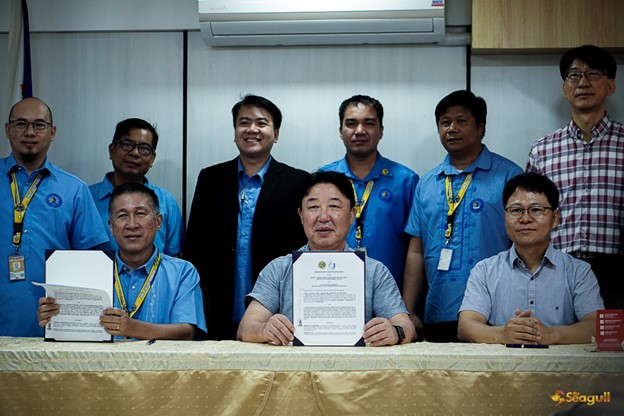
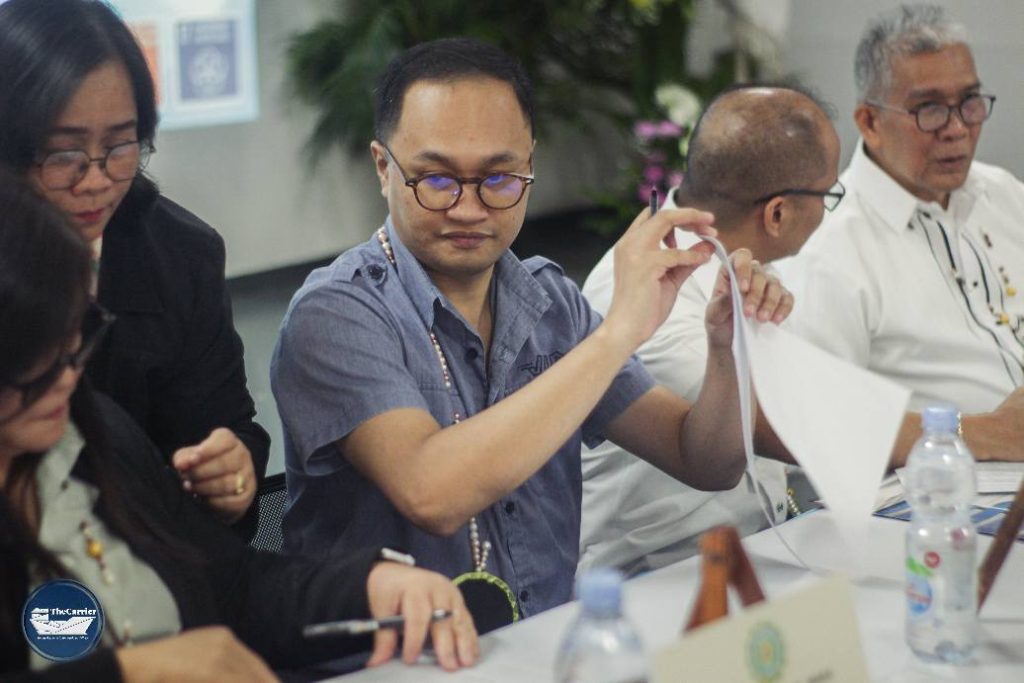
The John B. Lacson Foundation Maritime University (Molo), Inc. and Northern Iloilo State University (NISU) formally signed a Memorandum of Agreement (MOA) and a Memorandum of Understanding (MOU) on August 22, 2025. at the JBLFMU-Molo Audio Visual Room, strengthening their partnership in research and academic development.
The event highlighted projects on ship heeling systems, refrigeration units for fishing vessels, and upgrades to marine sewage treatment plants. The program concluded with the official signing of the agreements, marking the beginning of the institutions’ collaborative academic and research initiatives.
The John B. Lacson Foundation Maritime University (Molo), Inc. and Jeju National University formally signed a Memorandum of Understanding on October 20, 2025. The partnership aims to strengthen collaboration in innovation and research, particularly in artificial intelligence, engineering, and environmental technology. The signing ceremony was led by Administrator Engr. Roberto Neal Sobrejuanite, along with representatives from Jeju National University—Prof. BYUN Yung-Cheol, Director of the RISE Office for High-Intelligent Service; Prof. Kang Chung-ul, Vice President for Research Affairs; and Prof. Kim Yong-woon, researcher.
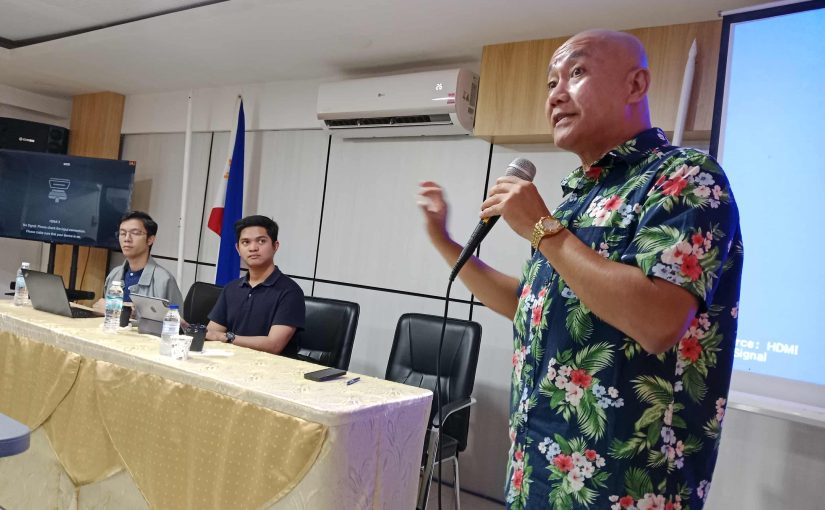
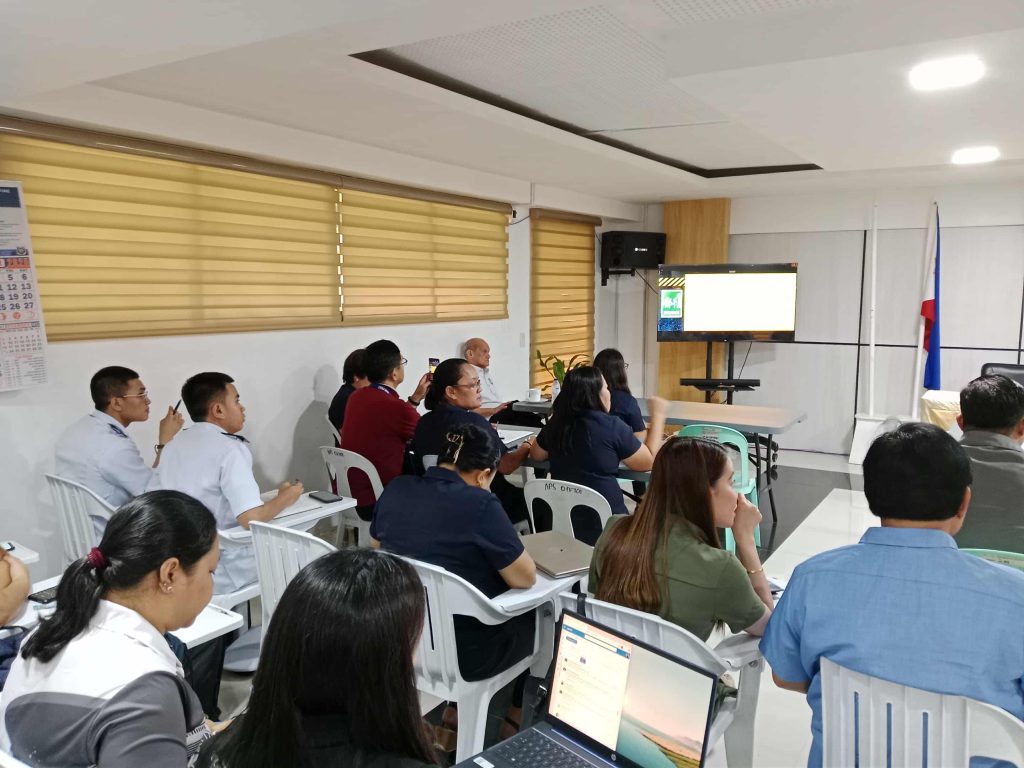
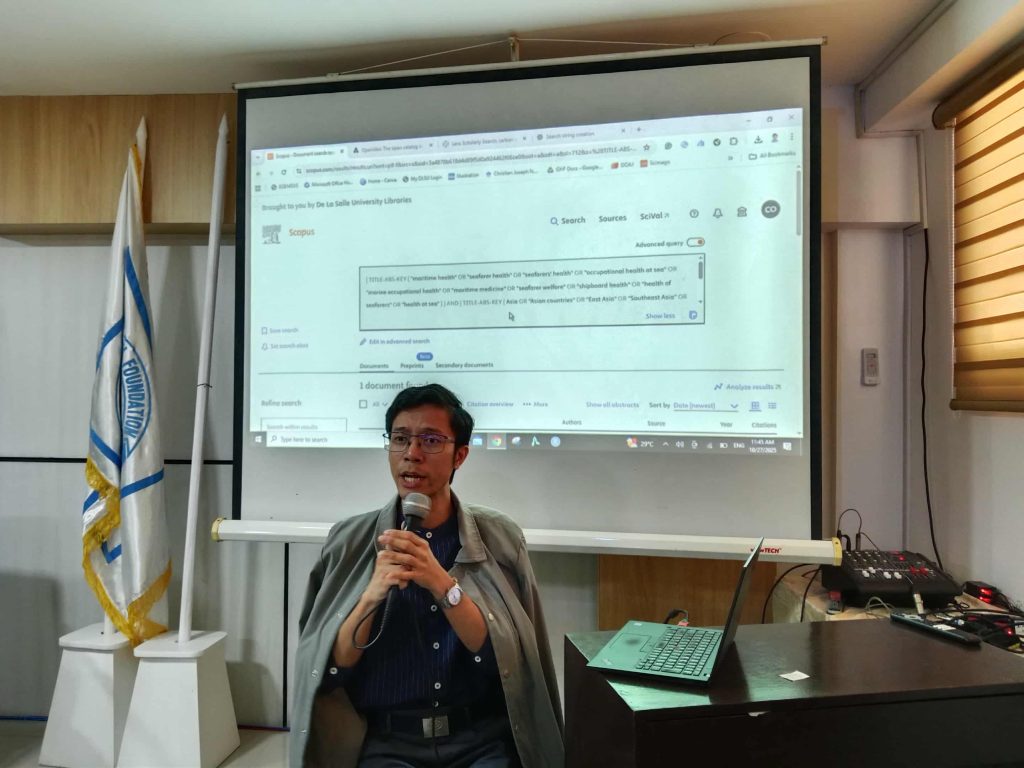
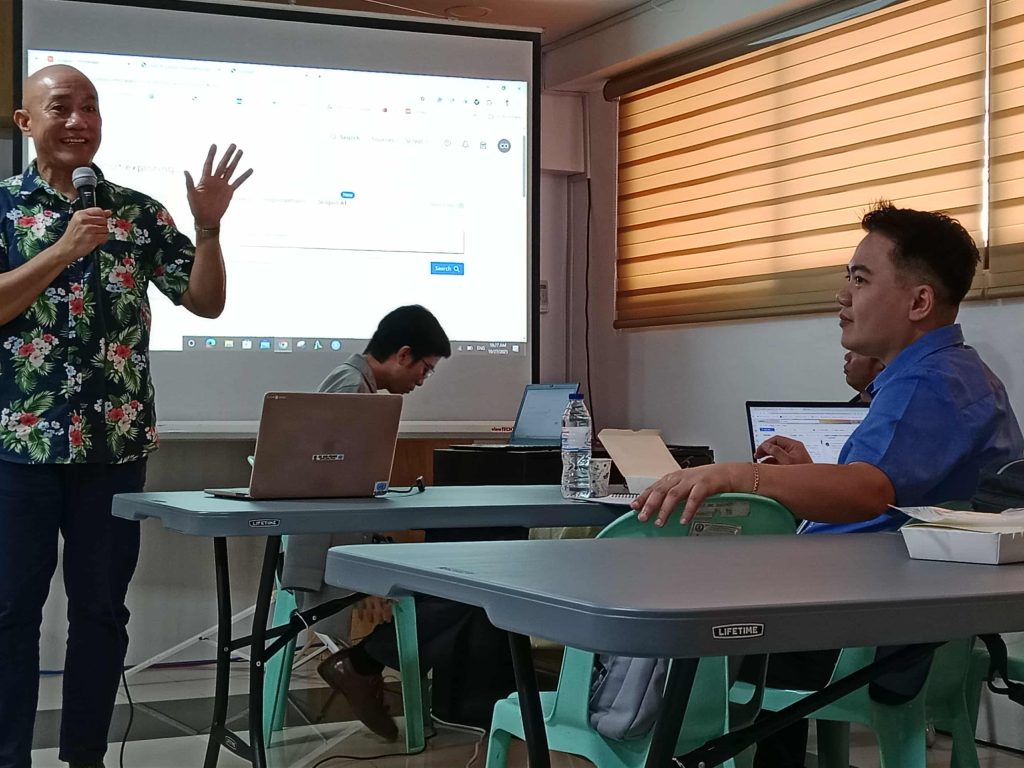
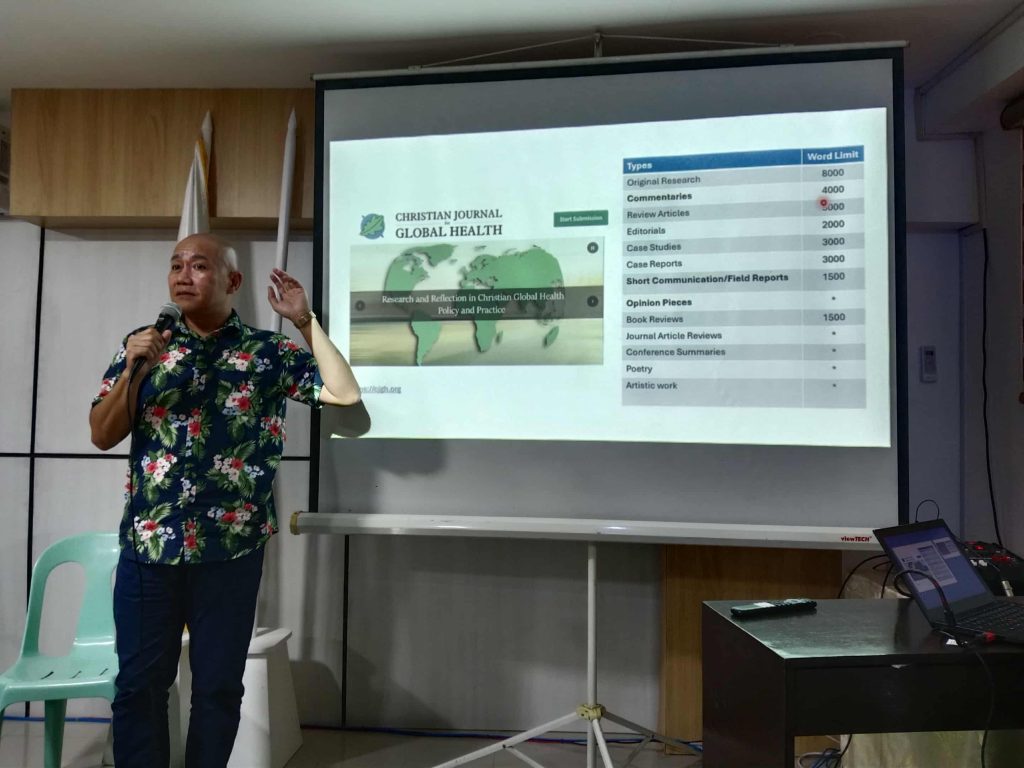
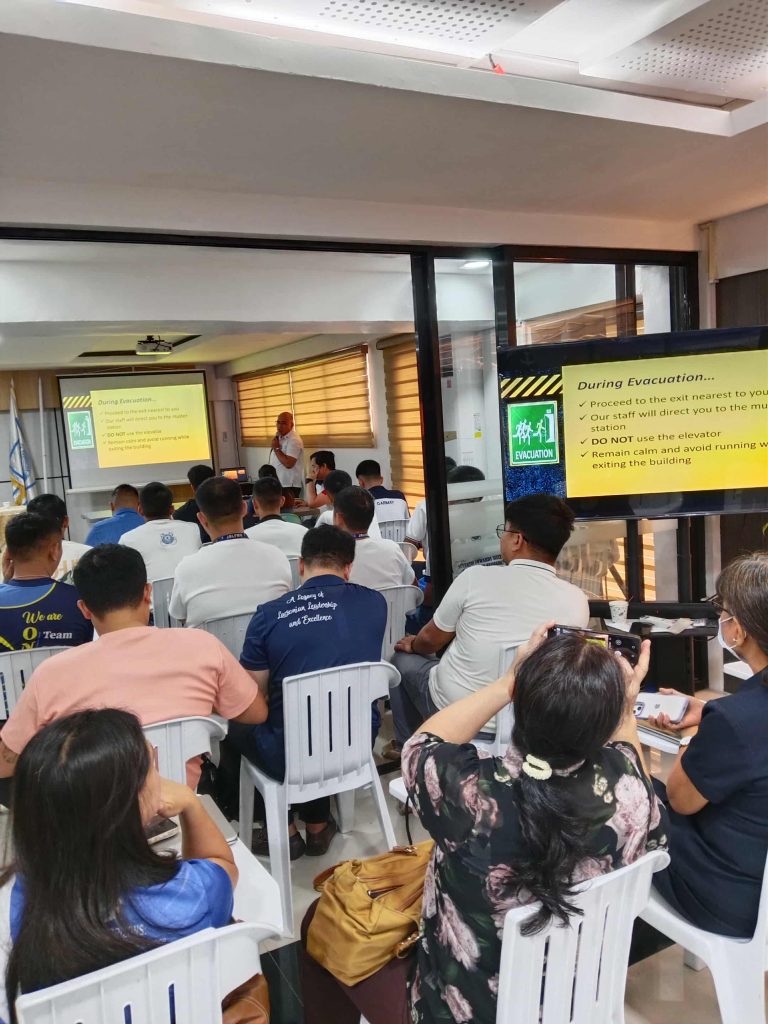
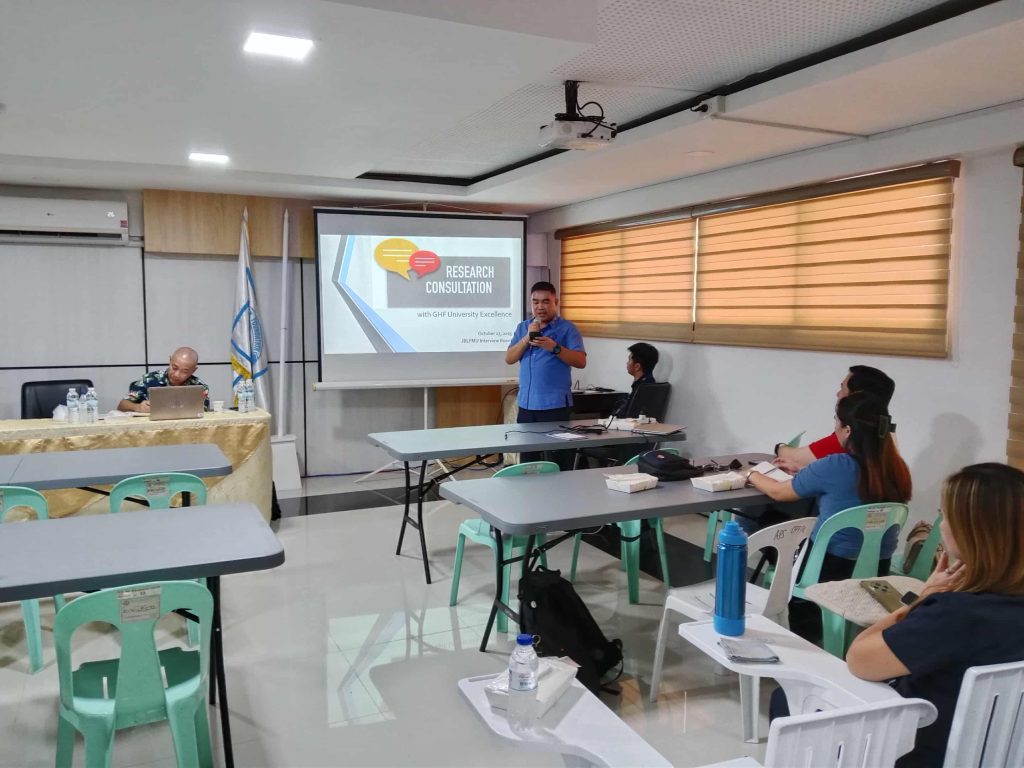
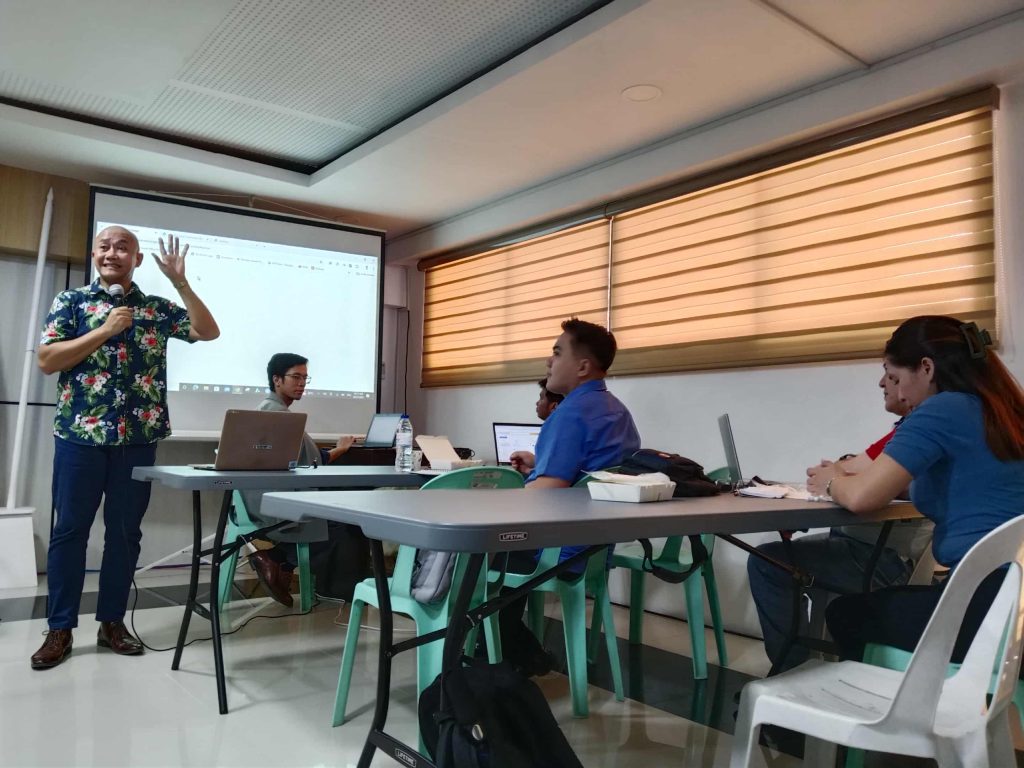
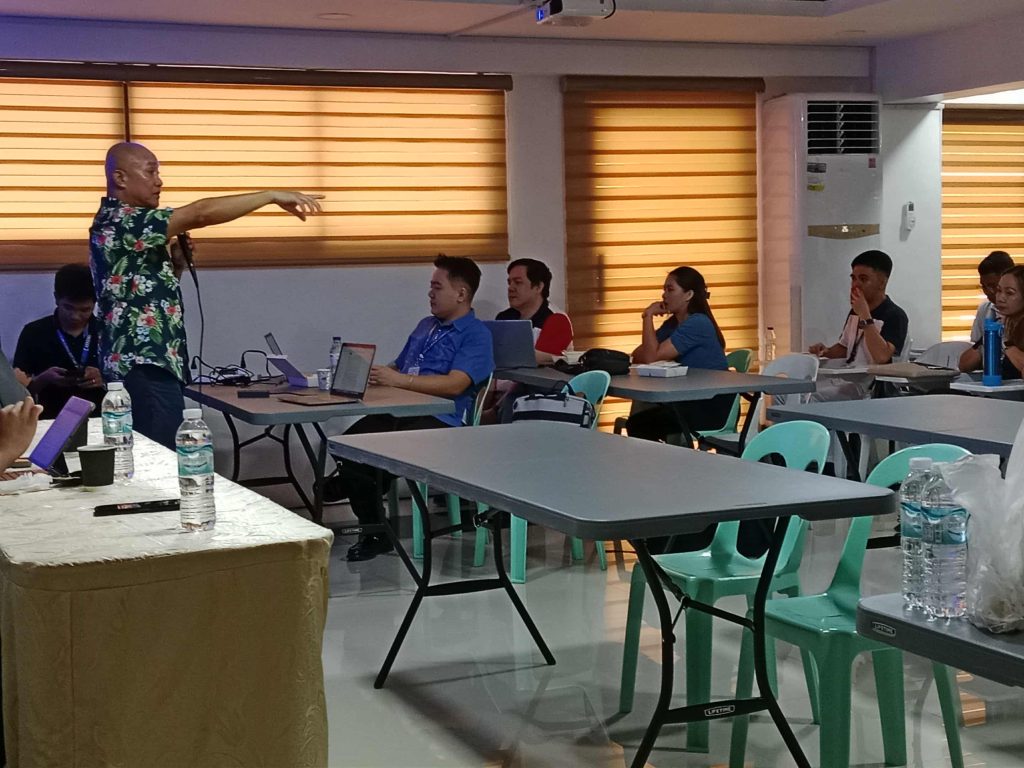
loilo City, Philippines — The John B. Lacson Foundation Maritime University (JBLFMU), in collaboration with the Global Health Focus (GHF) University Excellence, successfully conducted a two-day hybrid Excellence Workshop titled “Raising the Bar toward Global Maritime Leadership in Research.” The event was held via Zoom on October 24, 2025, and continued onsite at the JBLFMU Interview Rooms A and B on October 27, 2025.
The workshop brought together faculty members, staff, and students, all united in their pursuit of strengthening the university’s research culture and global academic competitiveness.
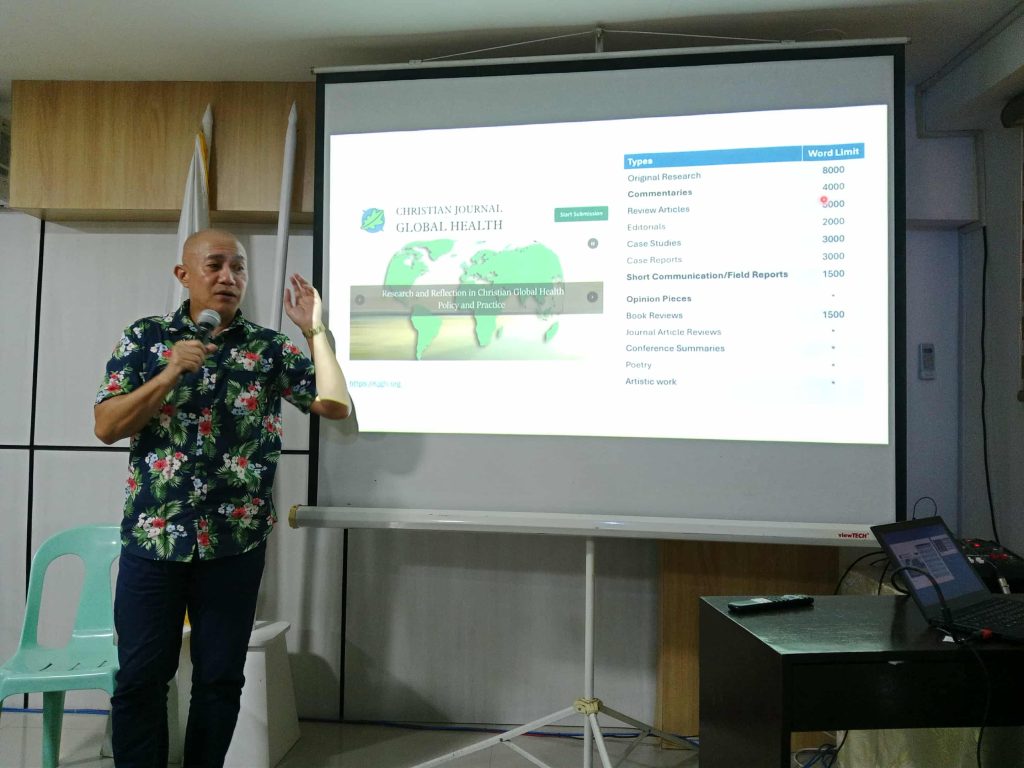
The highlight of the event was the session led by Dr. Don Eliseo L. Prisno III, MD, Ph.D., Founder and Executive Director of GHF University Excellence. Dr. Prisno, a globally recognized maritime and public health scholar, delivered an insightful lecture on the current research and journal publication landscape. His discussion provided participants with an in-depth understanding of international publishing standards, scholarly impact, and strategies to elevate the visibility and quality of institutional research outputs.
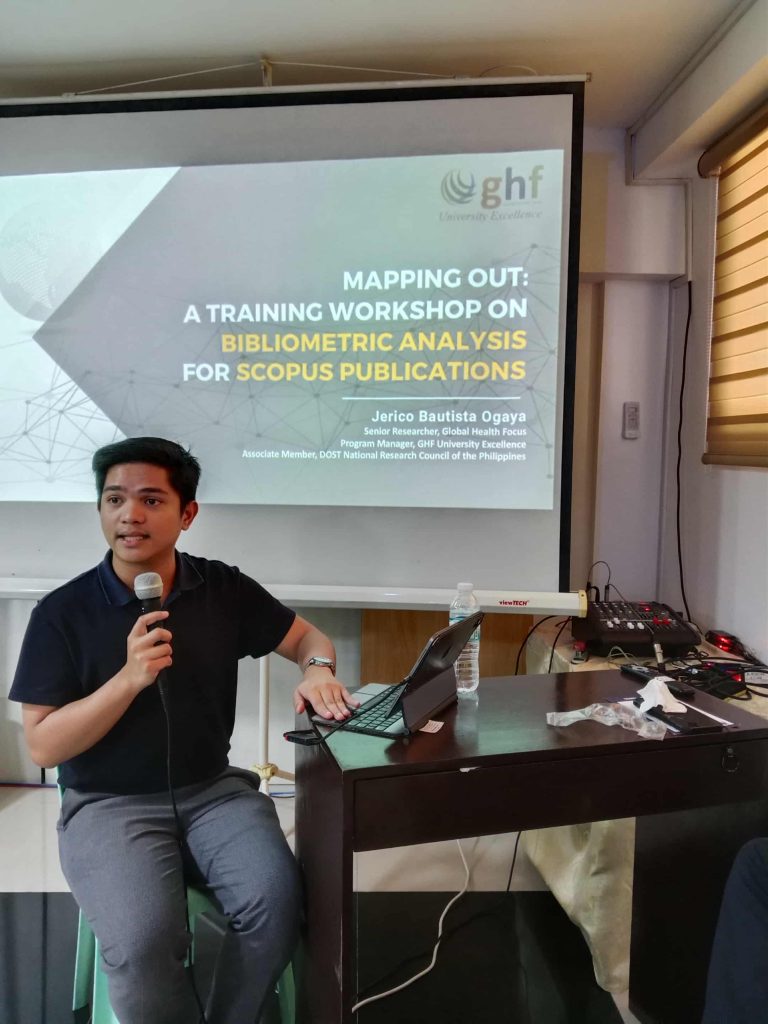
On October 27, the focus shifted to practical skill-building sessions facilitated by Mr. Jericho B. Ogaya, Program Manager, and Mr. Christian Joseph N. Ong, Program Associate of GHF University Excellence. Their session introduced participants to Bibliometric Analysis — a powerful research method for mapping, quantifying, and analyzing trends in scholarly literature. This innovative approach, as emphasized by the speakers, can serve as a gateway for producing high-quality and Scopus-indexed publications.
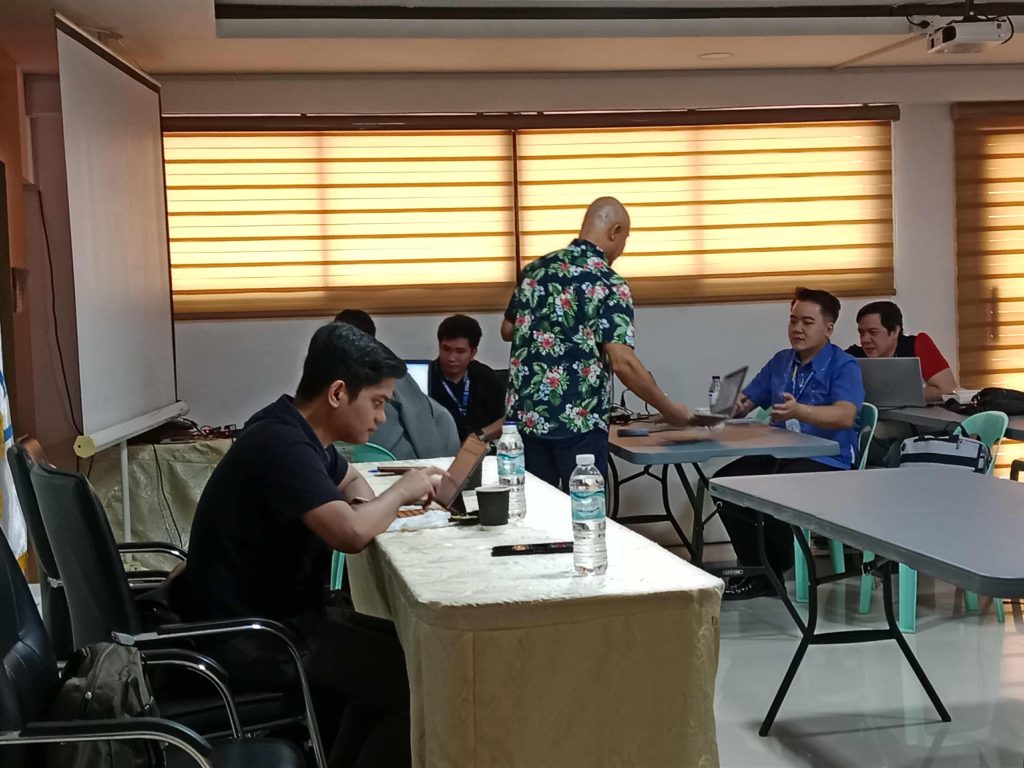
Throughout the two-day seminar-workshop, participants actively engaged in discussions, collaborative exercises, and hands-on research simulations. They were guided in developing their own full-paper bibliometric analyses, integrating modern research tools and techniques.
The workshop was described by attendees as inspiring, enriching, and transformative, emphasizing the university’s continuing commitment to research excellence and innovation in maritime education. It further reflects JBLFMU’s dedication to becoming a world-leading maritime research university, cultivating scholars who will advance global maritime knowledge and leadership.
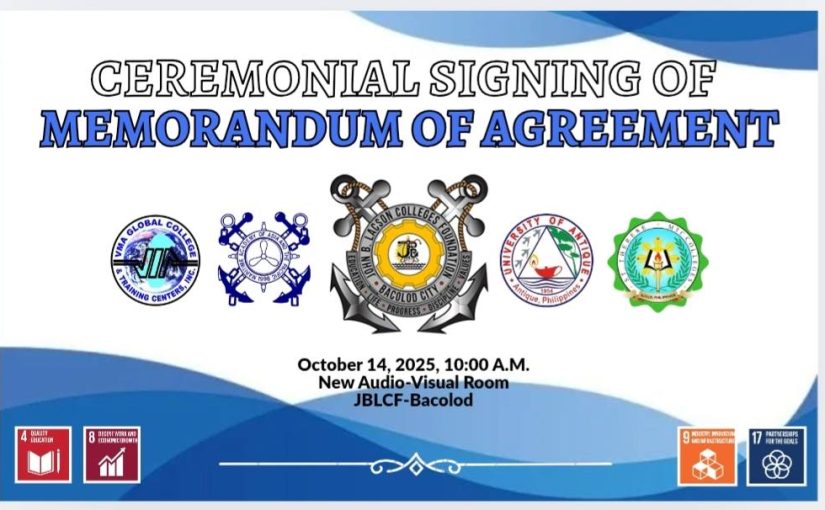
New AVR, John B. Lacson Colleges Foundation (Bacolod), Inc. | October 14, 2025
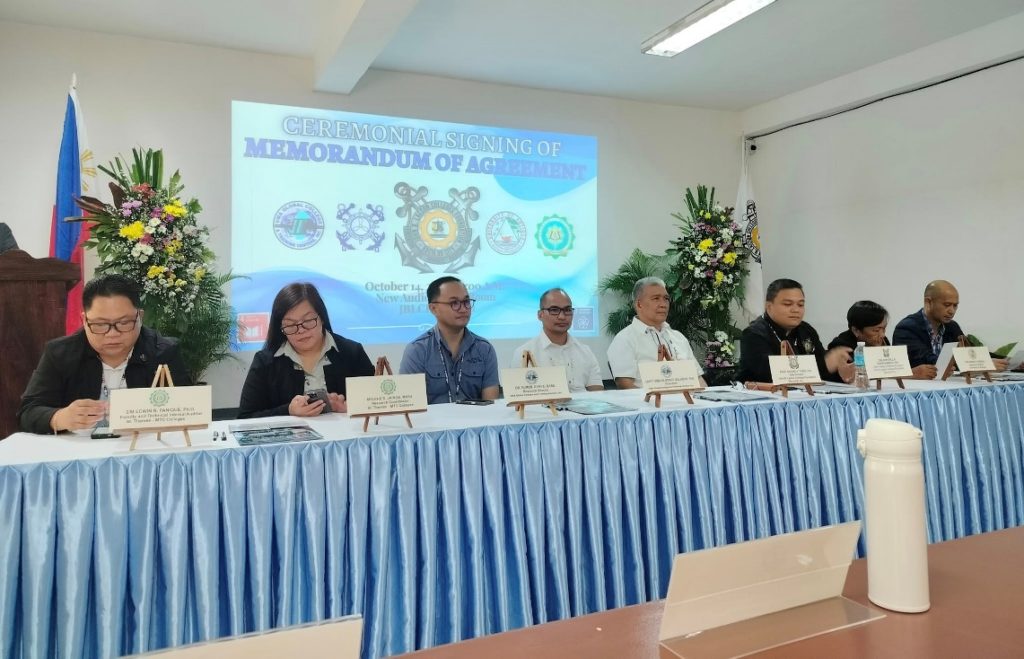
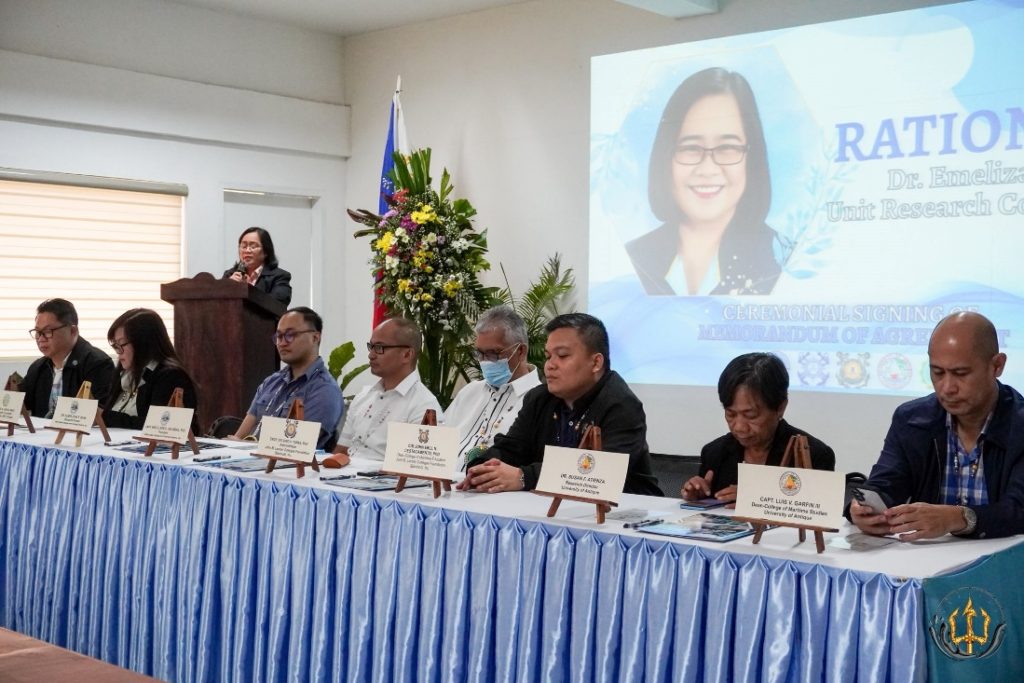
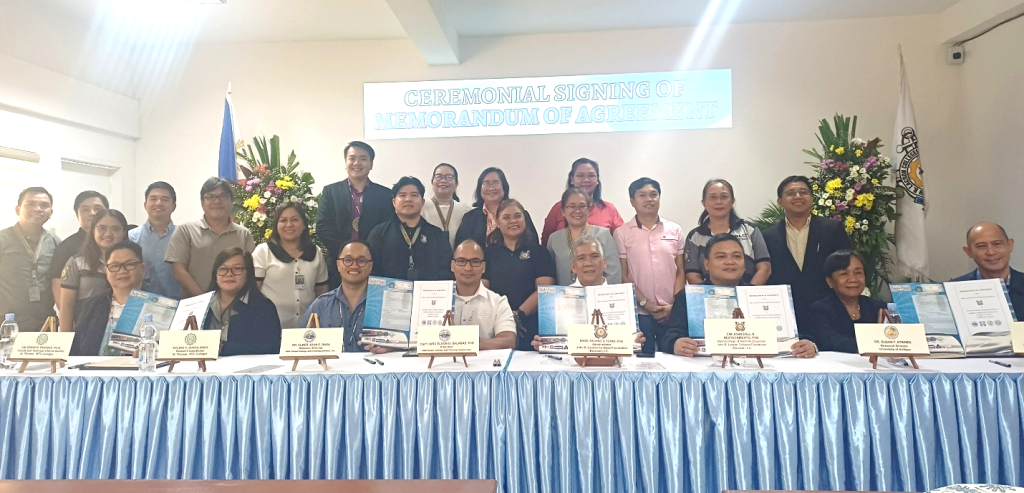
In a milestone event that underscores the power of collaboration in maritime education and research, JBLCF-Bacolod initiated the effort of forming this alliance and spearheaded the Ceremonial Signing of Memorandum of Agreement (MOA) with four esteemed maritime institutions — VMA Global College and Training Centers, Inc., Maritime Academy of Asia and the Pacific, University of Antique, and St. Therese-MTC Colleges.
The activity aimed to strengthen joint research initiatives in the next five years and conduct studies that respond to the dynamic needs of the maritime industry.
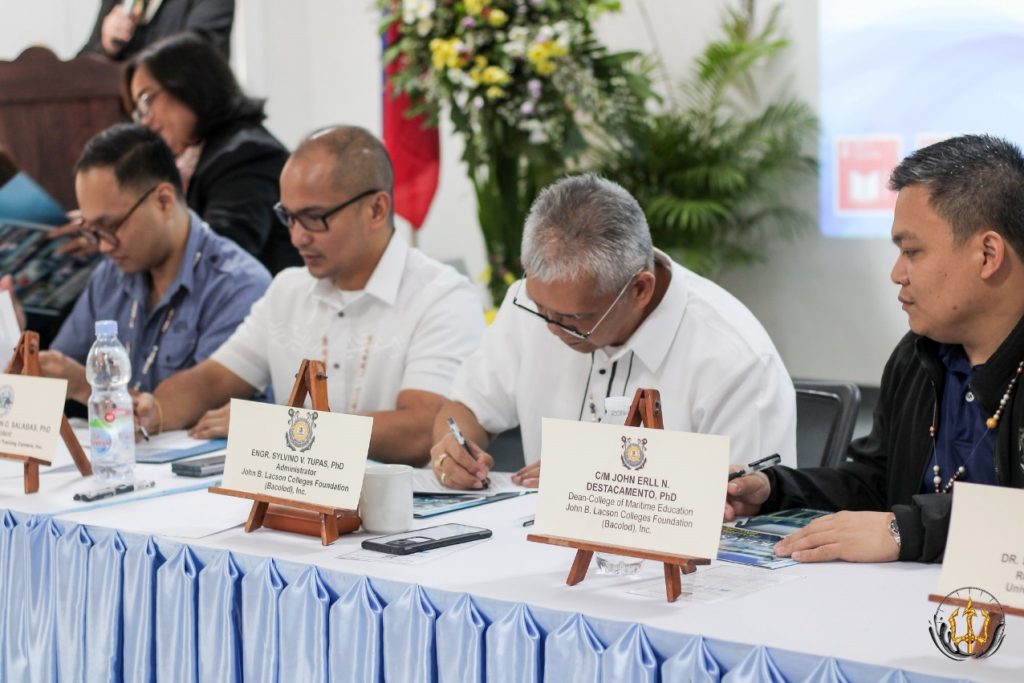
Key highlights of the program included the rationale delivered by Dr. Emeliza Torrento Estimo, JBLCF-Bacolod Research Coordinator, who emphasized the value of collaboration in advancing maritime research, and the welcoming message of Engr. Sylvino Tupas, PhD, Administrator of JBLCF-Bacolod, who expressed optimism about building a shared culture of research excellence. The presidents and representatives of partner institutions also shared messages of commitment and support toward the collective vision of innovation in maritime education. Dr. Brian Gil Secondes Sarinas, OIC Director for Research and Development & Community Extension Services, delivered the message of goodwill on behalf of JBLFMU.
This meaningful collaboration was initiated by the JBLCF-Bacolod Research and Development Center, in partnership with the College of Maritime Education under the leadership of Dr. Estimo and Dr. John Erll Destacamento, Dean.
Dr. Emeliza Estimo, Unit Research Coordinator of JBLCF-Bacolod, spearheaded the initiative with the full support of the JBLCF-B Administrator, Engr. Sylvino V. Tupas, Ph.D. According to Dr. Estimo, this collaborative effort signifies a progressive shift in how maritime institutions approach research and innovation.
“We have to truly extend and reach out to other institutions and not see them as competitors in the industry, but as partners and collaborators,” Dr. Estimo emphasized. “By sharing expertise, resources, and best practices, we can collectively elevate the quality of maritime education and research in the country. Collaboration fosters not only stronger research outcomes but also a culture of trust and shared purpose that ultimately benefits our students and the maritime sector as a whole.”
The ceremony concluded with the signing of the MOA, exchange of tokens, and a fellowship lunch — symbolizing not only a formal alliance but also a strong commitment to advancing research-driven maritime education.
As JBLCF-Bacolod and its partners sail forward, they carry a shared vision of a stronger, more connected maritime research community. The next five years promise not only studies that respond to the evolving needs of the industry but also meaningful collaborations that shape minds, inspire innovation, and uphold the legacy of maritime excellence. With passion as their wind and partnership as their compass, these institutions are set to explore new frontiers where research becomes both a voyage of discovery and a beacon of progress.
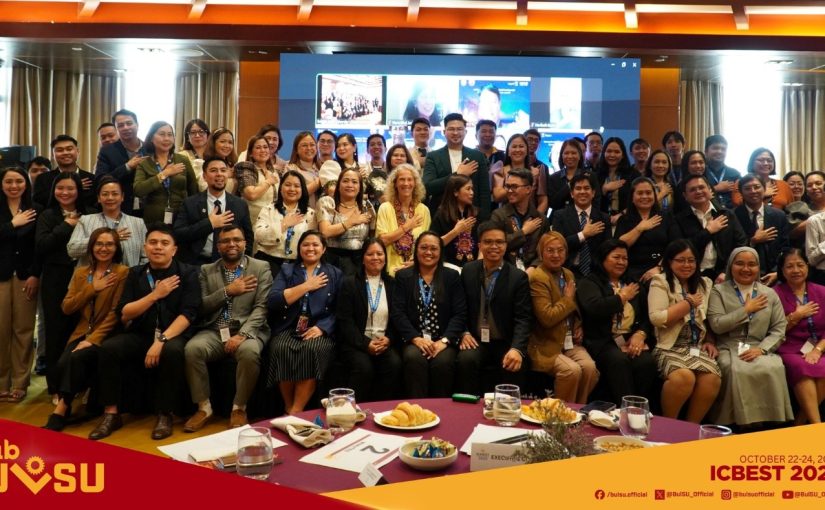
The 2nd International Conference on Business, Education, Science, and Technology (ICBEST 2025), held on 22–24 October 2025, successfully convened leaders, educators, researchers, and professionals from around the world through a hybrid and virtual academic platform that enabled dynamic exchanges, scholarly discussions, and cross-disciplinary collaboration.
Organized by Bulacan State University through the Office of the Vice President for Research, Extension, and Innovation (OVPREI) and the Research and Innovation Office (RIO), in partnership with IFERP, the conference was spearheaded by the BulSU Sarmiento Campus as Conference Chair.
Demonstrating its sustained commitment to research productivity and global academic engagement, John B. Lacson Foundation Maritime University (Arevalo), Inc. was represented by five (5) faculty-researchers who presented their studies virtually during the international conference. Despite the online modality, JBLFMU–Arevalo’s researchers delivered impactful presentations that highlighted the university’s strength in community-based, sustainability-driven, and education-focused research.
JBLFMU–Arevalo Virtual Research Presentations
Empowering Communities for Marine Conservation: Strengthening Awareness, Policy, and Sustainability in the Igang Bay Marine Sanctuary
Virtual Presenter:Mr. June Raymund Peter V. Flores Co-Authors: Dr. Maria Corazon S. Navallasca, Dr. Marlon Terunez, Dr. Roderick R. Germo
This study emphasized community participation, policy support, and sustainability mechanisms for effective marine sanctuary management.
Partner Communities’ Perspective of the Level and Factors Contributing to the Sustainability of the Community Extension Services Projects
Virtual Presenter:Mrs. Clarence Kay S. Gabasa Co-Author: Capt. Luina A. Cuadra
The paper examined key factors influencing the long-term sustainability of university extension programs from the viewpoint of partner communities.
Short-Term Analysis of Fish Catch per Unit Effort by Fisherfolk in Communities Surrounding the Igang Marine Sanctuary, Guimaras, Philippines
Virtual Presenter:2/M Frank Adrian C. Lavega Co-Authors: Chona T. Alim, Ph.D and Roderick R. Germo, Ph.D.
This research provided empirical insights into fisheries productivity and its implications for marine conservation initiatives.
Dissatisfaction of Stakeholders with Educational Services: A Guide for Creating an Intervention Program
Virtual Presenter:Mrs. Cecilia C. Salinas Co-Author: 2/M Jerry A. Alingalan
The study offered a data-driven framework for designing intervention programs to improve educational service delivery.
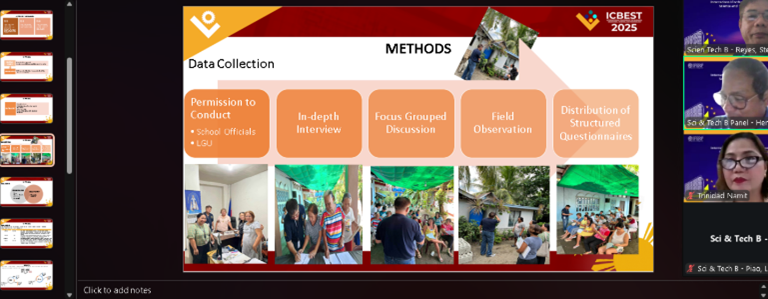
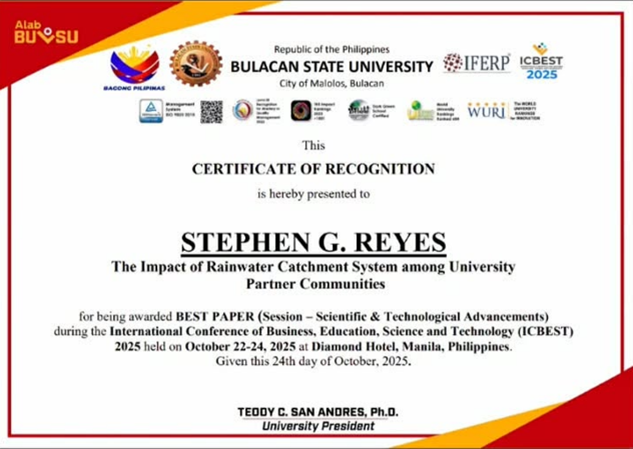
The Impact of Rainwater Catchment System among University Partner Communities — BEST PAPER
Virtual Presenter: Capt. Stephen G. Reyes Co-Authors: Capt. Gerry Y. Germo and C/M Eleuterio P. Fernandez
Focusing on sustainable water solutions, this paper demonstrated measurable socio-environmental impact among partner communities
A Mark of Research Leadership
The Best Paper recognition earned by Capt. Stephen G. Reyes stands as a testament to JBLFMU–Arevalo’s culture of high-impact research, one that translates academic inquiry into tangible benefits for partner communities. Collectively, the five presentations showcased how maritime and multidisciplinary research can inform policy, strengthen community resilience, and advance sustainable development.
As ICBEST 2025 concludes, JBLFMU–Arevalo extends its congratulations to all presenters and co-authors, and its gratitude to Bulacan State University and partners for providing a world-class venue for knowledge exchange. The university remains steadfast in advancing research that matters, locally grounded, globally relevant, and socially transformative.